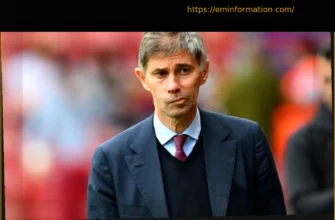
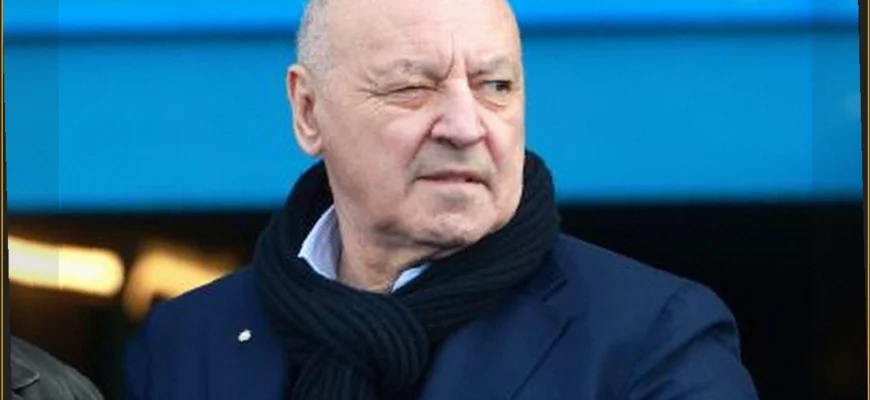
Inter Milan CEO Giuseppe Marotta strongly criticized what he called the “shameful media lynching” of defender Alessandro Bastoni following Italy’s failure to qualify for the World Cup. While defending Bastoni, Marotta also hinted that a potential transfer to Barcelona for the player was not entirely out of the question.
Marotta addressed Inter’s league position, noting that their once ten-point lead had shrunk to six after a three-match winless streak before the international break. He acknowledged the significance of the upcoming round, especially with rivals Milan and Napoli facing each other in a crucial match.
Marotta Keeps Inter Focused on the Title
Speaking to DAZN Italia, Marotta emphasized the ongoing nature of the Serie A title race, with 24 points still available over eight remaining rounds. He stressed that despite a crucial match between direct competitors, Inter must remain vigilant, as teams battling relegation would also be highly motivated, making every point hard-fought. “In every match, you’ve got to fight hard and be very motivated,” he stated.
In team news, Lautaro Martinez was set to return to the starting lineup for the first time since recovering from a calf strain suffered in February. Carlos Augusto was suspended, and Yann Bisseck was injured.
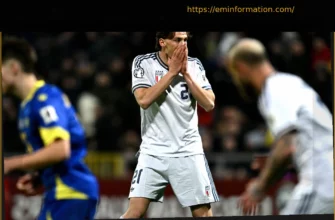
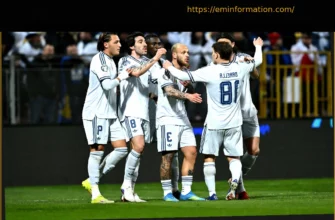
Marotta fiercely defended Alessandro Bastoni, who was playing despite the recent disappointment of his red card in Italy’s World Cup play-off defeat to Bosnia and Herzegovina, amidst rumors of a Barcelona transfer. Marotta stated, “It is shameful that Bastoni is subjected to this constant media lynching, as if he were solely to blame for everything.”
He argued that the reasons for Italy’s World Cup exit were far more complex and that a young player like Bastoni did not deserve such harsh treatment. Acknowledging Bastoni’s mistake, Marotta stressed it was a common occurrence for a player his age, asserting that Bastoni is a valuable asset for both Inter and Italian football. He dismissed suggestions that Bastoni was “obliged” to leave Italy, confirming that the club would address player futures in due course, stating, “As with all players, we’ll discuss their future later on.”
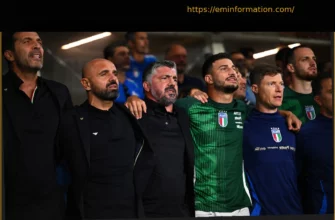
Addressing speculation about him potentially becoming the new FIGC President after Gabriele Gravina’s resignation, Marotta commented on the broader crisis in Italian football. He described it as a “very long conversation,” noting that Italy hasn’t been consistently competitive since 2006, despite winning EURO 2020 in that period.
Marotta highlighted a perceived lack of talent development, questioning why regions historically rich in footballing legends like Dino Zoff, Fabio Capello, and Fulvio Collovati no longer produce top players. He urged a collective effort to understand and address the fundamental issues in youth development, emphasizing the need for unified action rather than internal disagreements: “We need to go back and understand what the sport of football is, why we are not finding young players. I would prefer it to not turn into an argument, so we can all work in the same direction.”