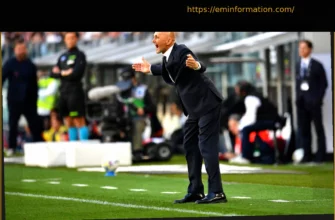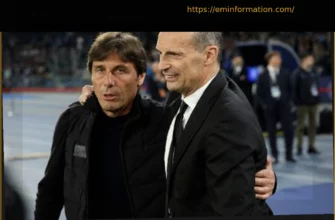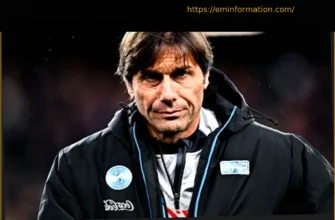
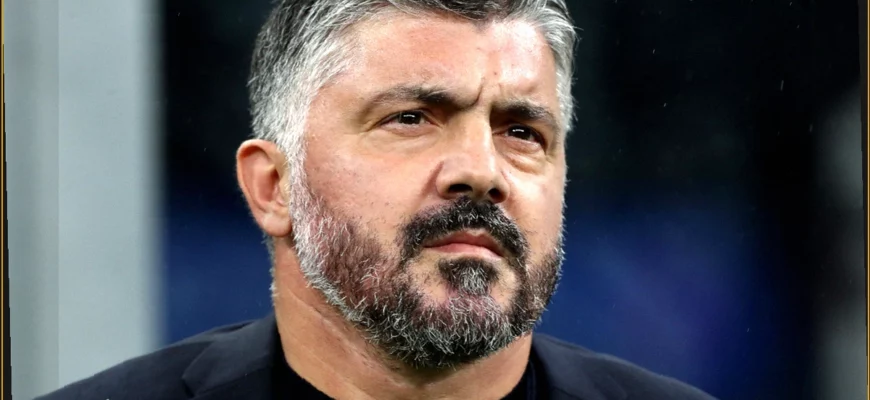
Juventus coach Luciano Spalletti, a former Italy national team manager himself, extended his sympathy to Gennaro Gattuso following his resignation as head coach of the Azzurri. Gattuso stepped down after Italy’s defeat against Bosnia and Herzegovina in the World Cup play-off final on Thursday. Spalletti stated, “I imagined myself in his position; my immediate thoughts were with him.”
Spalletti on Italy, Gattuso, and the Challenge for Italian Players in Serie A
Spalletti offered his candid assessment of the Italian national team’s situation during a post-match interview on Easter Monday, after Juventus secured a 2-0 Serie A victory over Genoa.
Having resigned from the Italy head coach position less than a year ago after a disappointing Euro 2024 campaign and a crucial World Cup qualifier loss to Norway, Spalletti noted that Gattuso’s exit means the Azzurri will now seek their third head coach within a single year.
Recalling the moment Italy’s match against Bosnia concluded, Spalletti confessed, “I swear, I immediately put myself in Gattuso’s position; my first thoughts were for him. He is a genuinely good person, full of passion, and possesses all the attributes to be considered among the world’s best coaches.”
He reflected, imagining himself in that situation: “If I had still been coaching and experienced that outcome in that specific environment, in that stadium… I honestly believe I wouldn’t have recovered from it.”
“I endured immense suffering,” Spalletti continued. “It caused a kind of numbness; I found myself unable to discuss football, almost wanting to distance myself from it.”
He then added a broader perspective: “However, if Kean had scored, we would likely be celebrating Italy’s brilliance. There needs to be more balance in public opinion. It’s easy to comment before joining the national team, but once you’re there, the pressure is immense, and setbacks occur. We had performed well, winning all our matches except the one against Norway, yet the overall burden of the situation is incredibly heavy.”
Spalletti echoed the sentiments of many Italian supporters, agreeing that young Italian talents in Serie A are not being given sufficient opportunities.
Citing an example, he noted, “In a match between Udinese and Como, only two out of 33 players on the field were Italian. This is a critical problem, as we must strive to nurture our domestic talent. While I don’t wish to dictate, it’s clear we cannot solve this issue in isolation.”
While some fans advocate for a minimum quota of Italian players in every Serie A match, Spalletti acknowledged the potential difficulties in implementing such a policy.
“Consider this scenario,” he proposed. “If every Serie A team were mandated to field an U19 player, we would need to have four such players ready just to ensure one plays. And then what happens? I scout these players years in advance because we need them, but how many actually succeed? Juventus might not produce any, while a club like Cremonese might develop one. What’s crucial is finding players who can maintain the required performance level.”
He concluded by affirming his belief in the national team’s quality: “Our national team is strong; they demonstrated that under Gattuso, and in my opinion, he made correct tactical decisions. The outcomes are often determined by isolated incidents, not because we are suddenly the worst team globally. It’s the way individual moments in a game are handled that makes the difference. Football, fundamentally, is a sport of crucial incidents.”