
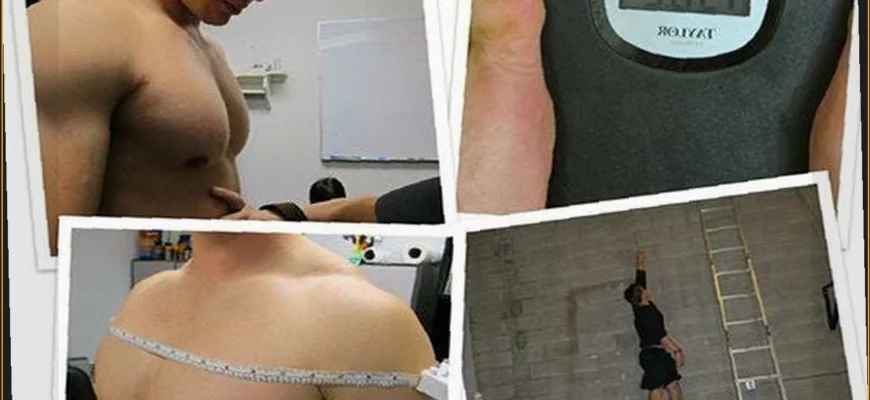
Athletes often step off the scale in a state of depletion. The critical hours between weigh-in and competition represent a narrow window where strategic fluid, sodium, and carbohydrate intake determines the restoration of lost body mass. Most athletes competing at national, international, and Olympic levels face weigh-ins less than 24 hours before their match; some have only 1 to 2 hours. While the body cannot fully restore itself in such a limited time, it can recover enough to compete effectively without the typical performance decline caused by dehydration.
A specific protocol is required following a weigh-in. It demands precise fluid intake, targeted sodium concentrations, and carbohydrate loading calibrated to the aggressiveness of the athlete’s restriction during fight week. This guide outlines research-backed methods for efficiently recovering body mass after successfully making weight.
The Recovery Objective
Post-weigh-in protocols aim for athletes to regain at least 10% of their body mass before competition. For example, an athlete who cut weight from 70 kg to 66 kg should target adding roughly 6.6 kg back through fluids and food. This target is established because studies consistently demonstrate a decrease in performance when athletes compete in a hypohydrated state.
The March 2025 ISSN position stand, published in the Journal of International Society of Sports Nutrition, provides the most current recommendations for this process. It prioritizes oral rehydration solutions (ORS) at a rate of 1 to 1.5 liters per hour immediately after weigh-in, with sodium concentrations of 50 to 90 mmol/dL.
Effective Fluid and Sodium Combinations
The German Nutrition Society suggests consuming approximately 1.5 liters of fluid for every kilogram of weight lost. While achieving this volume is important, the sodium concentration within the fluids is even more critical. Oral rehydration solutions containing 50-90 mmol/dL sodium, administered at 1 to 1.5 liters per hour, constitute the baseline protocol according to the March 2025 ISSN position stand.
Plain water alone is insufficient and delays recovery because it dilutes blood sodium and suppresses the thirst mechanism before complete rehydration occurs. Combat athletes frequently utilize electrolyte powders mixed into measured water bottles, coconut water fortified with added salt, or commercial oral rehydration solutions designed for clinical dehydration.
Why Water Alone Falls Short
Drinking only plain water after severe dehydration creates a significant problem. As water enters the bloodstream without accompanying electrolytes, blood sodium levels drop. The body then responds by suppressing thirst and increasing urine output. Consequently, an athlete may feel rehydrated yet remain functionally depleted.
The sodium in oral rehydration solutions serves two crucial purposes. Firstly, it maintains the osmotic gradient that ensures water stays inside cells and blood vessels. Secondly, it preserves the thirst response, prompting athletes to continue drinking until true rehydration is achieved. Athletes who rely solely on water often cease drinking prematurely and enter competition with less recovered body mass than those who use electrolyte solutions.
Carbohydrate Timing Post Weigh-In
Fluid replacement takes precedence during the initial hour following weigh-in. Once an athlete commences oral rehydration, fast-acting carbohydrates should be introduced into the protocol at rates of 60 grams per hour or less. This limit is imposed because higher intake rates commonly induce gastrointestinal distress during the crucial recovery window.
The total carbohydrate target depends on the athlete’s restriction methods during fight week. Combat athletes who aggressively depleted glycogen stores may require 8 to 12 grams of carbohydrate per kilogram of body weight. Those who employed more modest carbohydrate restriction can recover with 4 to 7 grams per kilogram. For example, an 80 kg fighter with severe depletion might consume between 640 and 960 grams of carbohydrates throughout the recovery period, distributed across multiple feedings.
Optimal Foods for Short Recovery Windows
White rice, bread, pasta, and low-fiber cereals provide easily digestible carbohydrates without the gastrointestinal burden that fiber can impose. Fiber slows gastric emptying and can lead to bloating, cramping, or worse when consumed in large quantities during a compressed recovery timeline.
Fruit juices serve a dual purpose by delivering both fluid and carbohydrates. Bananas offer potassium alongside easily digestible starches. Some athletes also opt for specialized sports drinks formulated for post-exercise recovery, although the sodium content in these products can vary widely.
Protein intake during recovery is less critical than carbohydrates and fluids. Small amounts of easily digestible protein from sources like eggs or lean chicken can accompany carbohydrate feedings, but protein should not displace the intake of essential carbohydrates or fluids during the limited period between weigh-in and competition.
Practical Sequence for Same-Day Weigh-Ins
When athletes have only 1 to 2 hours between stepping on the scale and their match, every minute is critical. The precise sequence of actions is paramount:
- Minutes 0-15 after weigh-in: Focus exclusively on oral rehydration solutions. Athletes should sip steadily rather than gulping large amounts at once, as rapid intake can overwhelm the stomach and trigger nausea.
- Minutes 15-45: Begin introducing carbohydrates while continuing fluid intake. Small portions of white rice or bread with honey provide fast-acting glucose. The athlete should continue sipping the electrolyte solution between bites.
- Minutes 45-90: This period allows for digestion while maintaining slow, continuous fluid intake. Athletes should avoid lying down completely, as gravity assists gastric emptying when the body remains somewhat upright.
- The final 30 minutes before competition: Involve lighter fluid sipping and psychological preparation. The stomach should feel comfortable and not distended.
Overnight Recovery Protocols
Athletes with a more extended recovery period, typically 12 to 24 hours between weigh-in and competition, benefit from greater flexibility. The same core principles apply, but the timeline is stretched:
- First 2 hours: Aggressively prioritize oral rehydration at the recommended 1 to 1.5 liters per hour rate. Sodium concentrations should remain at 50 to 90 mmol/dL. Carbohydrate intake should commence within this initial hour.
- Hours 2-6: Continue moderate rates of fluid and carbohydrate intake. Meals become more substantial and can include moderate fiber content, as the extended digestion time allows for more complete processing.
- Hours 6-12: Transition towards normal eating patterns while diligently maintaining hydration. Athletes often find it beneficial to set alarms to wake during the night for additional fluid intake.
- The morning before the competition: Involves consuming a familiar pre-competition meal 2 to 3 hours before the match. Fluid sipping should continue until the warm-up begins.
Monitoring Recovery Progress
Urine color offers a rough indication of hydration status; pale yellow suggests adequate hydration, while dark urine points to a continued deficit. Body weight measurements taken before and after rehydration are crucial for accurately tracking actual fluid recovery.
Some athletes weigh themselves hourly during aggressive recovery phases to ensure they meet the 10% body mass target. For example, a fighter who cut 4 kg should aim to regain at least 400 grams per hour during these intense recovery periods.
It’s important to note that thirst sensation can become unreliable after severe dehydration, especially when sodium intake remains low. Athletes following proper protocols should drink according to a scheduled plan rather than relying solely on their feeling of thirst during the early recovery window.
Common Mistakes to Avoid
Over-reliance on plain water remains the most frequent error in post-weigh-in rehydration. The second most common mistake involves consuming fiber-heavy foods, such as whole grains, many vegetables, and fruit skins, during tight recovery windows, as these can slow digestion and cause discomfort during competition.
Some athletes also overeat during recovery, reasoning that more food equates to more recovered mass. However, gastric distress resulting from overeating can harm performance more significantly than the marginal gain from additional calories. Measured intake, diligently following established protocols, consistently produces better outcomes than aggressive, improvised eating.
Furthermore, caffeine and alcohol both act as diuretics, increasing urine output, and should be completely absent from recovery protocols. Carbonated beverages can cause bloating and discomfort. It is best to stick to flat fluids with the appropriate sodium content.
The post-weigh-in window tests an athlete’s discipline as much as the weight cut itself. Adhering strictly to evidence-based protocols, rather than improvising, ensures consistent and effective recovery.