Directory of Practitioners
-
To be included in this directory click here.
Regions:
Caribbean
Europe
U.S. South Atlantic and Gulf of Mexico
Indian Ocean
Atlantic and U.S. East Coast
North Pacific and Alaska
E. Pacific and U.S. West Coast
Western Pacific and U.S. Pacific Islands
Caribbean
Practitioners Background 
Raimundo Espinoza
Conservacion ConCiencia
1-787-902-7760
rai@conservacionconciencia.orgRaimundo (Rai) Espinoza is founder and executive director of Conservación ConCiencia. He has extensive experience in coral reef conservation and management and collaborates with commercial fishers, NGOs, and governments across the Caribbean and Latin America to advance conservation actions on land and sea. Previously Rai served as The Nature Conservancy’s founding Cuba program director and was responsible for establishing TNC's operation in Puerto Rico. Currently, he serves on NOAA’s Marine Fisheries Advisory Committee and Highly Migratory Species Advisory Panel. As executive director of Conservación ConCiencia, Rai is leads electronic reporting and electronic monitoring projects in the US Caribbean. His educational attainments include a B.A. in Environmental Studies from Pace University and a Master of Science in Sustainable Development and Conservation Biology from the University of Maryland. He's fully bilingual in English and Spanish and also speaks conversational Portuguese.
Europe
Practitioners Background 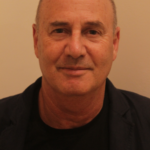
Dr. Amos Barkai
Work SA: 27 21 7024111
Mobile SA: 082 8082276
amos@olsps.com
www.olsps.comDr Barkai is the CEO of Olrac SPS (offices in South Africa and Europe), and developer of the Olrac eLog system, a data logging and data management solution for vessels. It includes a vessel unit named Olrac DDL and a web-based fleet management unit named Olrac DDM. Olrac eLog is used by hundreds of vessels around the world. Olrac SPS has also developed a software solution that allows EM technology to be fully integrated with the Olrac eLog, allowing EM technology to be used to audit electronic reports sent by fishermen, significantly increasing report credibility. 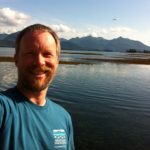
Jason Bryan
+47 9740.3688
jasonb@archipelago.caJason Bryan is a Project Manager at Archipelago Marine Research Ltd. Since 2010, he has designed and managed CCTV-based fisheries-monitoring programs for commercial fisheries and industry regulators throughout Europe, North America and the Antarctic. Presently, Jason is based in Norway. 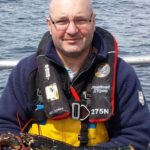
Grant Course
SeaScope Fisheries Research Ltd.
grant@seascopefisheries.co.uk
Tel: +44 1461 700309Grant Course is Research Manager and a Director of SeaScope Fisheries Research based in the United Kingdom. He has worked in fisheries research since 1993 and specialised in discard monitoring programmes. Initially this was through designing and managing the UK at sea DCF Observer programme with Cefas, but more recently through the English Catch Quota Trials utilising Electronic Monitoring and CCTV. In 2014, he left government and set up SeaScope to concentrate on developing and using EM technology and help promote its use in fisheries research and compliance. SeaScope have been instrumental in trialling EM on small inshore shellfish vessels in Scotland and are working closely with WWF (UK) to help inform government of the benefits of EM and promote its use in managing fisheries. 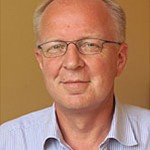
Jorgen Dalskov
DTU Aqua
jd@aqua.dtu.dkJorgen Dalskov is senior fishery adviser and head of the secretariat for Public Sector Consultancy at DTU Aqua, the National Institute for Aquatic Resources at the Technical University of Denmark. In 2008 he started trials using remote electronic monitoring in Danish fisheries which lead to trials in other EU Member States. In addition, Jørgen is assigned as the Danish National Correspondent for the EU Fisheries Data Collection Framework. 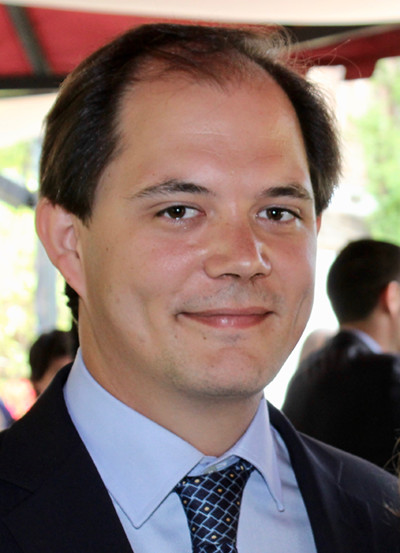
Tomás Galan
R&D Department
Tel. +34 91 327 21 31
tpg@satlink.es
www.satlink.esTomás Galán holds Masters degrees in Telecommunication Engineering from the Universidad CEU San Pablo. Tomás joined Satlink in 2012 and is now the Research and Development Manager for the SeaTube EM system. He now leads the design of the EM solution and spends time improving the performance of the 3rd generation system while working on ways to reduce observer analysis time and system costs. 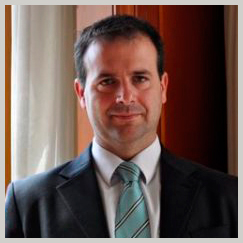
Gabriel Gomez
ggomez@marineinstruments.es
+34 986 36 63 60General Manager for Marine Instruments. With more than 20 years of professional engineering experience, Gabriel has held director or GM level positions during the last nine years. As the GM of Marine Instruments Gabriel´s focus is to reach the next level — developing a shared vision and a strong culture, systemic processes, and streamed operations. Special emphasis is on dedicating internal resources on real customer needs, and developing strategies to enter new vertical markets that require specialized electronics for rugged environments. Gabriel has worked in Ireland, Germany, China and Spain, and is fluent in English, Spanish, Basque and German. Mr. Gomez holds degrees in Business Administration MBA, MSc in Electrical Engineering, and BS in Industrial Engineering. 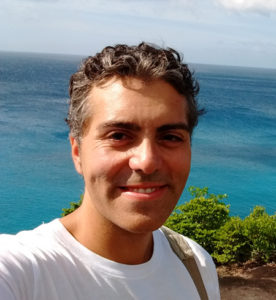
MC Oscar Gonzalez
ogonzalez@marineinstruments.es
+34 986 36 63 60Project Manager for Electronic Monitoring at Marine Instruments. Master of Engineering in Telecommunications/Electronics. With over 12 years’ experience designing electronic equipment, Oscar has a wide experience in cellular networks, radiofrequency systems design and railway signaling, control and protection systems like ETCS EuroLoop. Oscar is also the Marine Instruments EM operations manager and quality inspector for EM installations around the world. 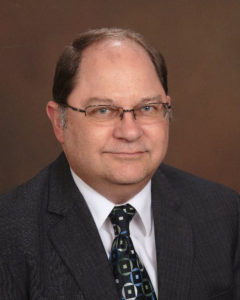
Greg Hammann, PhD
Director, Strategic Business Development
Mvl: +1-703-309-3738 (USA)
ghammann@marineinstruments.es
Tel: +34-986 366 360 (SPAIN)
www.marineinstruments.esGreg supports the global EM strategy for Marine Instruments as an equipment manufacturer working to integrate an optimal balance of technology, cost, data quality, and security, to support fishing sustainability. Over 30 years’ experience with the international commercial fishing industry, fishing oceanography and remote sensing science and technology. Dr. Hammann earned a Ph.D. at George Mason University with a concentration in Satellite Remote Sensing, and carried out doctoral studies at the Scripps Institution of Oceanography. Earned a MS degree In Biological Oceanography from Oregon State University, and a BA in biology from Whittier College. Had the honor of being a fisheries observer in the foreign fleet operating in the Gulf of Alaska and Bering Sea in the late ‘70’s, and learned the compliance and science data collection aspects of fisheries monitoring. 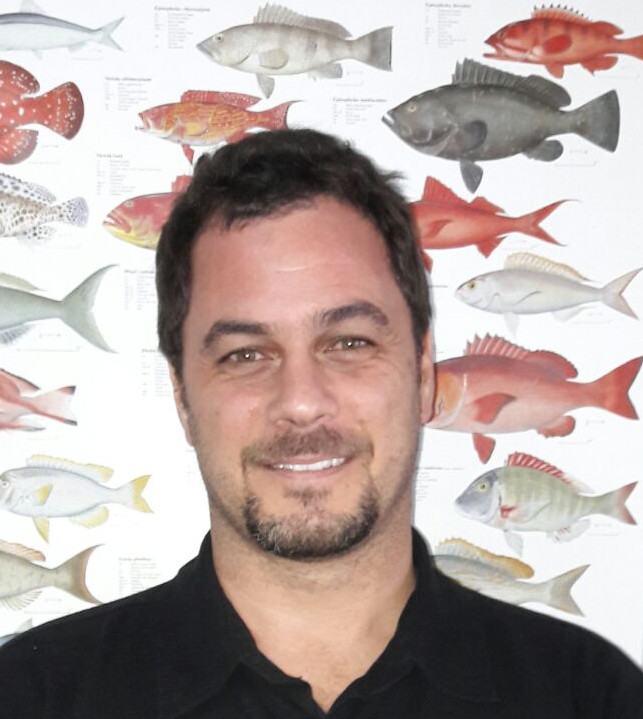
Gonzalo Legorburu Marcos
Digital Observer Services
Tel: +34 94 436 17 10
glm@digitalobserver.org
www.digitalobserver.orgGonzalo Legorburu is manager of Digital Observer Services (DOS), a consultancy based in Spain that specializes in EM services. Previously he worked for over 10 years for the Inter-American Tropical Tuna Commission collecting data on-board purse seine vessels in the Eastern Pacific. Since 2014, Gonzalo has been involved in several EM viability studies and implementations using Satlink’s SeaTube EM system in the Pacific, Atlantic and Indian Oceans. He and his team also train observers to implement EM technology. 
Kristian Plet-Hansen
DTU Aqua
+45 21485009
kspl@aqua.dtu.dk
Kristian Plet-Hansen is a PhD student at DTU Aqua, the National Institute for Aquatic Resources at the Technical University of Denmark. His work involve the use of remote electronic monitoring data collected in the Danish fisheries and grading machine data collected by the fishing industry itself.
Initially, his experience with remote electronic monitoring and video footage in the fisheries began in 2011, where he started as a video auditor in the Danish Cod Catch Quota Management trial.
Glenn Quelch is a well-known fisheries professional with over 35 years of experience in the field. He began his career as a small-boat fisherman in 1980 at the age of 15. Since then he has worked at fishing using various types of gear, has been an international fisheries observer and fishery officer in the Northwest Atlantic, Southern Ocean and Indian Ocean. Glenn has three University qualifications from Plymouth University and Oregon State University (E-Campus) in the field of fisheries, to the Master’s degree level. A co-editor of the observer book ‘Eyes on the Seas’ along with the late Keith Davis and Anik Clemens, Glenn has been working in Europe since 2002 in fisheries management, monitoring, control and surveillance. He currently works in the European Fisheries Control Agency based in Vigo, Spain. 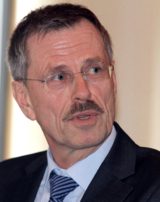
Mogens Schou
Aquamind
+45 22610575
Skype m_schou
dk.linkedin.com/in/mogensschou/Mogens Schou is partner in AquaMind, advising on fisheries management. In his capacity of the ministers adviser he designed the political, legal and operational basis for large scale REM trials in EU and Danish regulations 2008-2016. The principle of full catch accountability is now a cornerstone of the reformed CFP (Common Fisheries Policy), and results based management (managing catches not methods) is evolving from that. His main interest is to develop REM based on the needs of management and to re-define management and biological advice to take account of the new opportunities offered by fully documented fisheries and real-time, high resolution data from commercial fishing. 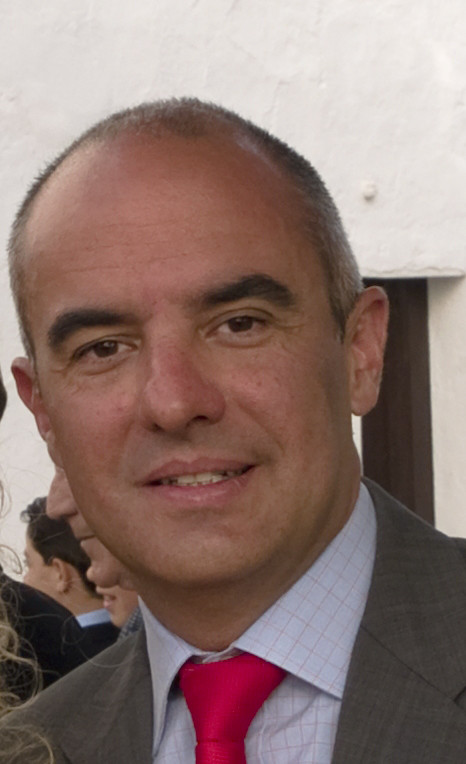
Faustino Velasco
Satlink CEO
Tel: +34 91 327 21 31
fvm@satlink.es
www.satlink.esFaustino Velasco founded Satlink in 1992 and serves as the company’s CEO. He has actively participated in the development of the Satlink EM system and has over fifteen years of experience developing vessel management systems for multiple fishing authorities. To further develop the most technically advanced EM system for improving sustainable fishing practices, Satlink works closely with regional authorities, domestic and foreign fishing associations and with commercial fishing companies in more than 50 countries.
U.S. South Atlantic & Gulf of Mexico
Practitioners Background 
Eric Brazer
Gulf of Mexico Reef Fish Shareholders' AllianceAs Deputy Director of the Gulf of Mexico Reef Fish Shareholders’ Alliance , Eric works closely with commercial fishermen and quota shareholders to promote fishery stewardship. Members of the Alliance installed EM in 2011 as a pilot project and have been working to promote its use ever since. They also developed Gulf Wild – a brand and traceability program that is currently exploring opportunities to incorporate EM into its program. 
Ken Brennan
NOAA Fisheries Southeast Fisheries Science CenterKen is the Coordinator of the Southeast Region Headboat Survey (SRHS), based in Beaufort, NC. The SRHS started in the South Atlantic in 1972 and 1986 in the Gulf of Mexico. SRHS started collecting logbook data electronically in 2013. Headboat captains now have the ability to submit trip reports through a secure website and mobile app by using their personal computers, tablets, or smart phones. 
David Gloeckner
NOAA Fisheries Southeast Fisheries Science Center
david.gloeckner@noaa.govDr. Gloeckner is the chief of the Fisheries Monitoring Branch at the Southeast Fisheries Science Center in Miami, FL. The Monitoring Branch is responsible for receiving and entering logbooks from vessels permitted for coastal fisheries in the US South Atlantic and Gulf of Mexico and HMS trips from vessels fishing in the Atlantic and Gulf of Mexico. The Branch is also responsible for monitoring over 60 Annual Catch Limits (ACLs) for species ranging from NY to TX. Additionally, Dr. Gloeckner is currently investigating the use of electronic logbooks to replace the current paper logs in use in the SE coastal and HMS fisheries along the Atlantic. 
Scott Hickman
Circle H Outfitters and Charters
info@circleh.orgScott is a 30 year owner operator of a federally permitted Charter For Hire business. He participates actively in the Council process, serving on advisory panels and as Vice Chair of the ad-hoc Red Snapper IFQ AP. 
Daniel E. Roberts, Jr.
Research Scientist
WaterInterface LLC
science@waterinterface.comDaniel is owner and chief scientist for WaterInterface LLC, a subcontractor to federally and privately funded marine fishery science and technology enhancement studies. These include fishery monitoring of the Gulf of Mexico reef fish fishery in Florida, where his focus has been on installation and maintenance of ship-board cameras, data storage equipment and operational sensors, as well as liaison with owners, operators, captains, and crew. Most recently he has focused on thematic mapping, spatial analysis, and modeling of CPUE and other data acquired from vessels involved in testing EM. Results of this work have been reported to the Environmental Defense Fund and the National Fish and Wildlife Foundation. Photo Coming Soon!
Jessica Stephen
NMFS Southeast Regional Office
jessica.stephen@noaa.govJessica is the Branch Chief of the Limited Access Privilege Programs Data Management Branch at NMFS's Southeast Regional Office. Her team analyzes data in support of fishery management in the Gulf, South Atlantic and Caribbean. She oversees catch share programs throughout the Southeast Region that rely heavily on EM & ER, such as vessel monitoring systems and an online data collection system for tracking allocation, share transfers, and landing transactions. 
Greg Stunz, PhD
Harte Research Institute for Gulf of Mexico Studies
Texas A & M
greg.stunz@tamucc.eduGreg holds the Endowed Chair of Fisheries and Ocean Health at the Harte Institute. Recently, his program has focused on smartphone tech to collect and report catch data. His team developed the 'iSnapper" that has been piloted in the GOM red snapper recreational and charter-for-hire fishery.
Indian Ocean
Practitioners Background This section awaiting content!
Atlantic & U.S. East Coast
Practitioners Background 
Brett Alger
Coordinator, NOAA National Observer Program
EmailBrett Alger is the NOAA National Observer Program's Electronic Technologies Coordinator. Prior to his move to Silver Spring, Brett worked in the Sustainable Fisheries Division at the NOAA Fisheries Greater Atlantic Fisheries Regional Office, leading efforts to advance EM/ER with the NEFSC, the Northeast Fishery-Dependent Data Visioning project, and the Electronic Technologies Working Group. He also helped coordinate and implement the Northeast Multispecies (groundfish) Fishery Management Plan and was co-lead on groundfish sector development.
Brett earned a Bachelor of Science Degree in Natural Resources from Central Michigan University and a Master of Science degree in Fisheries Management and Science from Michigan State University.
Mike Cahall
Atlantic Coastal Cooperative Statistical ProgramMike has served as Director of the Atlantic Coastal Cooperative Statistical Program since 2007.
Jane DiCosimo
National Marine Fisheries Service
EmailJane DiCosimo is chief of the NOAA Fisheries Office of Science and Technology's Assessment and Monitoring Division Fisheries. She oversees the National Observer Program, where national coordination of electronic monitoring and reporting is housed, the National Stock Assessment Program, the Advanced Technologies Program, Center for Independent Experts reviews, Cooperative Research Program, and National Survey Planning and Vessel Operations. She is vice-chair of a NMFS staff electronic technologies working group. 
Erika Feller
National Fish & Wildlife Foundation
erika.feller@nfwf.orgErika Feller is Director of Marine and Coastal Conservation for the National Fish and Wildlife Foundation. Prior to this she served as Director of North American Fisheries for The Nature Conservancy, promoting fisheries co-management and improving fishery science and data to support management, and as Deputy Assoc. Director for Ecosystems at the White House Council on Environmental Quality where she led CEQ’s efforts on large scale ecosystem restoration. At TNC she worked with California fishermen and community leaders to catalyze a change in the industry to more sustainable harvest practices in order to protect rich biodiversity and ocean habitats off California’s central coast; and, with Congress and federal agencies to increase public funding for habitat restoration, fisheries and coral reef conservation. Before joining TNC, she was Senior Legislative Assistant for Congressman Wayne T. Gilchrest where she worked as the principal staff person for a wide range of environment and natural resource management policy issues. Erika received a M.S. in Natural Resource Economics from the University of Alaska Fairbanks and a B.A. in Economics from Saint Mary’s College of Maryland. 
John Hoey
NOAA NE Fisheries Science Center
john.hoey@noaa.govJohn is director of the Northeast Cooperative Research Program at NEFSC, where a copre program activity has been the development of an e-logbook program. 
Amy Martin
Chief, Fisheries Sampling Branch
NOAA NE Fisheries Science Center
Woods Hole, MA
amy.martins@noaa.govAmy oversees the Northeast Fisheries Observer Program, the At-Sea Monitoring Program and the Industry-Funded Scallop Observer Program. 
Christopher McGuire
cmguire@tnc.orgChristopher McGuire is the Marine Program Director for The Nature Conservancy in Massachusetts. Chris is focused on implementing collaborative and community based solutions to pressing fisheries and conservation challenges. The Conservancy is a global leader in deploying innovative technology to improve the information used for fisheries management, and Chris helps lead an EM project in the New England groundfish fishery. Before joining the Conservancy he sailed as Captain aboard oceanographic research vessels at Sea Education Association for more than a decade. He has a B.A. from Connecticut College, holds a 1600 Ton USCG Ocean Master’s License and earned a Master’s in Marine Affairs from the University of Rhode Island. 
Bradley S. McHale
HMS Management Division
brad.mchale@noaa.govBrad is the Northeast Branch Chief of the Highly Migratory Species (HMS) Management Division at NMFS's Office of Sustainable Fisheries. He and his team are responsible for the development and implementation of the Electronic Monitoring program for the Atlantic HMS Pelagic Longline fleet. They established a highly innovative design of individual bycatch quotas, performance-based management measures, and electronic monitoring to create individual incentives for fishermen to reduce bycatch of bluefin tuna while supporting sustainable fishing for other pelagic species. 
Geoffrey Smith
The Nature Conservancy
geoffrey_smith@tnc.org
207-607-4805Geoff is the Marine Program Director for The Nature Conservancy in Maine. He has been actively involved in a variety of fisheries management, science, and policy initiatives in New England for over 15 years. Geoff has helped to lead regional efforts to advance the use of Electronic Monitoring in the New England groundfish fishery and is a member of the New England Fisheries Management Council's Groundfish Advisory Panel. He also served on the Council's Electronic Monitoring Working Group. 
Mary Beth Tooley
O’Hara Corporation
mbtooley@live.com
Mary Beth is employed by the O’Hara Corporation in Rockland, Maine, where she coordinates government and regulatory affairs for commercial fishing operations. The O’Hara Corporation is a family held company with commercial fishing vessels that participate in the Bering Sea groundfish fisheries; and Atlantic Sea Scallop and Herring fisheries. Mary Beth is also a member of the New England Fishery Management Council. 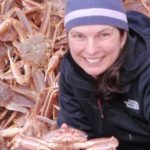
Morgan Wealti
Saltwater Inc.
morgan.wealti@saltwaterinc.comMorgan Wealti, Saltwater Inc., works closely with both industry and NOAA Fisheries on EM projects across the U.S. Based in Massachusetts, Morgan manages Saltwater’s contracts for EM implementation on the Atlantic pelagic longline fleet, a test of EM for the New England herring and mackerel fisheries, and several pilot projects in the Gulf of Mexico and Hawaii. Morgan spent 4 years collecting data in the Bering Sea and Eastern Pacific as an observer before turning her talents to EM.
North Pacific & Alaska
Practitioner Background 
Sally Bibb
NOAA Fisheries, Alaska Regional Office
sally.bibb@noaa.govSally is the Deputy Director of the Sustainable Fisheries Division, NOAA Fisheries, Alaska Region. Her work focuses primarily on development of regulations for observer coverage, record-keeping and reporting, and equipment operational requirements for catch monitoring and catch accounting in the groundfish fisheries off Alaska. 
Julie Bonney
Alaska Groundfish Data Bank, Inc.
jbonney@gci.netJulie Bonney is the owner and Executive Director of Alaska Groundfish Data Bank (AGDB) in Kodiak, Alaska. AGDB has been a leader in industry efforts to improve monitoring and reduce bycatch in Gulf of Alaska trawl fisheries through management and cooperative research. Cooperative research projects include electronic monitoring (EM), alternative observer sampling techniques, halibut excluder tests in the cod trawl fishery and evaluating the use of salmon excluders in the pollock fisheries. 
Ruth Christiansen
United Catcher Boats
206-282-2599
rchristiansen@ucba.orgRuth works as a Science and Policy Analyst for United Catcher Boats, a seafood trade association representing the owners and operators of pollock and Pacific cod catcher vessels in the Bering Sea-Aleutian Islands. Working closely with counterparts in the Gulf of Alaska, EM service providers, EM video reviews, the National Marine Fisheries Service, and the North Pacific Fishery Management Council, she is actively working on the development, testing, and implementation of a regulatory program that would allow the use of EM for compliance monitoring in the pelagic pollock trawl catcher vessel fisheries of the Bering Sea-Aleutian Islands and Gulf of Alaska. 
Dan Falvey
Alaska Longline Fishermen's Assoc.
myriadfisheries@gmail.comDan is a veteran commercial fisherman and a National Fisherman Magazine 'Highliner" award winner in 2011. Among many accomplishments, Dan coordinated a 2011 pilot program to operationalize video-based EM in Alaska's halibut and sablefish fishery. 
Elizabeth Figus, Fishery Analyst
North Pacific Fishery Management Council
Phone: (907) 271-2809
elizabeth.figus@noaa.gov
Elizabeth has been a Fishery Analyst at the North Pacific Fishery Management Council since January 2018. She is the North Pacific Council staff contact for the groundfish and halibut fishery Observer Program, which includes a growing electronic monitoring component. Elizabeth received a PhD in Fisheries from the University of Alaska Fairbanks. She is an interdisciplinary fisheries scientist with a BA in Sociology and Int’l Relations from Mount Holyoke College, and an MA in European Studies from Jagiellonian University in Krakow, Poland. 
Jared Fuller
Saltwater Inc.
jared.fuller@saltwaterinc.comJared Fuller develops and tests both EM hardware and software solutions at Saltwater Inc. His hands-on experience installing EM systems on over 100 widely varied boats across the U.S. has provided a back drop for his work developing solutions for onboard data acquisition, efficient review, and long term storage. Prior to joining the EM team, Jared worked for 2 years for Saltwater as an observer in the Bering Sea and Gulf of Mexico, and as a tech instructor in public schools. 
John Gauvin
Gauvin & Associates
gauvin@seanet.com
John Gauvin is the Fisheries Science Director for the Alaska Seafood Cooperative. Through work for the Groundfish Forum, North Pacific Fisheries Research Foundation, and the Environmental Defense Fund, John served as the principal investigator for numerous studies. Two of these have included assessments of the feasibility and efficacy of using EM systems to monitor adherence to deck sorting and handling/discard protocols for prohibited species. 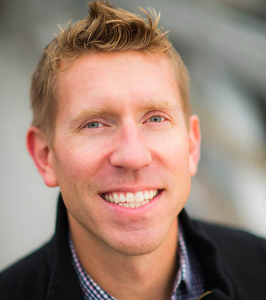
Jesse Latham
Vericatch
jesse@vericatch.com
+1 604-250-2462Jesse Latham is responsible for bringing new and technologically innovative ways of catch reporting and data management to the seafood sector. He leads and operationalizes the platforms that Vericatch provides its customers. Jesse is a recognized expert in fisheries and traceability, and sits on the DFO e-logs technical committee. Prior to joining Vericatch, Jesse led the product and technology teams at PayWith and Wantsa, two Vancouver based companies in the finance and marketing spaces. Other past ventures include business and solution architecture for both business and government entities. Jesse has a Bachelor of Science, Physics from the University of British Columbia. Photo coming soon
Thomas Meyer
Attorney
NOAA Office of Gen. CounselThomas Meyer is the lead attorney who provides daily advice to the AK Fisheries Science Center Fisheries Mgmt. Analysis Division and its groundfish observer program. Photo coming soon!
Jennifer Mondragon
NOAA Fisheries Alaska Regional Office
jennifer.mondragon@noaa.gov
Jennifer Mondragon is a Resource Management Specialist at NOAA Fisheries Alaska Regional Office. Her branch focuses on data quality and catch estimation in the Alaskan groundfish fishery. In this role, she has been involved in writing regulations and implementing programs to support catch monitoring, including implementation of EM for compliance-monitoring and as a catch estimation tool. Jennifer is also on the team that oversees an interagency electronic reporting system in Alaska. 
Nancy Munro
Saltwater Inc.
nancy.munro@saltwaterinc.comNancy Munro is the founder of Saltwater Inc., and is focused on creating effective ways of collecting reliable data on fisheries and oceans to support sustainable management. She has taken a lead role in the development of monitoring programs for fisheries and marine mammals in many regions. Nancy has committed Saltwater to providing open-source software as a means of creating efficiencies in EM, and to building on the talents and experience of observers in EM program implementation. 
Rick Stanley
Fisheries Consultant
British Columbia
hamert@shaw.caRick is a fisheries consultant with extensive international experience who was active in development of the EM-based fishery catch monitoring program in B.C. 
Bill Tweit, Special Assistant
WA Dept. of Fish and Wildlife
360.902.2723
William.Tweit@dfw.wa.govBill represents Washington state on the North Pacific Fishery Management Council and serves as chair of two Council groups that are instrumental in developing electronic monitoring techniques for accounting for catch and bycatch: the Electronic Monitoring Working Group and the Observer Advisory Committee.
E. Pacific & U.S. West Coast
Practitioners Background 
Dave Colpo
Pacific States Marine Fisheries Commission
dcolpo@psmfc.orgDave Colpo is a Senior Program Manager at Pacific States Marine Fisheries Commission. He acts as the Principal Investigator or provides oversight on a number of commercial fisheries related projects on the West Coast, Alaska and Hawaii. He has led the efforts on an EM pre-implementation study on the West Coast. 
Stephen Freese
NOAA Fisheries, West Coast Regional Office
steve.freese@noaa.govStephen Freese is chief of the West Coast Region’s Sustainable Fisheries Monitoring Branch and Acting-Chief of the Permits Branch. In conjunction with the Pacific States Marine Fisheries Commission and the NMFS Northwest Fisheries Science Center’s Scientific Data Management and Observer Programs, Steve and his staff are responsible for the Pacific Groundfish Trawl IFQ Program’s Catch Accounting/Quota Share Systems. 
Richard KangRichard is the Scientific Data Management Program Manager for the NMFS Northwest Fisheries Science Center in Seattle. His team is responsible for the development of the West Coast Catch Share Individual Fish Quota (IFQ) web database that went live on Jan. 11, 2011. Richard graduated from the Univ. of Washington with a BS in Forestry and Land Use Planning in 1981. 
Kate Kauer
kate.kauer@tnc.org
(610) 745 5745
201 Mission Street
4th Floor
San Francisco, CAKate directs the The Nature Conservancy's California Groundfish Program, a longstanding engagement between TNC, fishermen and communities that aims to improve scientific understanding of fishery resources to drive better management decisions and better fishing practices. She works with fishermen to develop and implement conservation strategies across a 15-million-acre seascape. Kate manages the Conservancy’s portfolio of fishing assets, advises the quota insurance risk pool that incentivizes sustainable harvest practices, manages collaborative research projects (including implementation of EM), and executed a fishing asset divestiture strategy that transferred ownership of TNC's fishing rights to port communities. Kate holds a BA in biology from Dartmouth College and a Masters in Environmental Science and Management from the Bren School at UCSB. 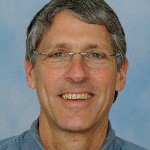
Howard McElderry
Archipelago Marine Research
howardm@archipelago.caHoward is a founding member of Archipelago Marine Research Ltd. He has played a key role in the development of at-sea and shore based monitoring programs, a crucial component to BC commercial groundfish fisheries. Over the past decade Howard has led the development of technology-based approaches to fishery EM programs in many different regions. 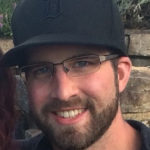
Alan Perzanowski
Saltwater Inc.
alan.perzanowski@saltwaterinc.comAlan Perzanowski, manages Saltwater’s EM efforts with the Alaska and West Coast fleets, carrying out system installations, field services, and data processing in multiple fisheries. Alan joined Saltwater in 2012 as an observer in the West Coast groundfish program, and worked as West Coast Field Coordinator before moving to the EM team. 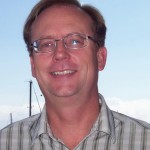
Shawn Stebbins
Archipelago Marine Research
shawns@archipelago.caShawn Stebbins is president and CEO of Archipelago Marine Research. Shawn’s work is dedicated to developing, implementing, and managing a broad range of fishery monitoring programs. He has taken a leadership role in working with fishermen, industry organizations, regulators, science organizations and NGOs in the pursuit of data collection and reporting systems that support the development of sustainable fisheries. 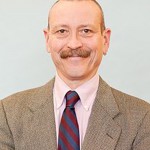
Joe Sullivan
Sullivan & Richards LLP
joe@sullivanrichards.com
(206) 995-8286Joe Sullivan is an attorney who works with fishermen and fishermen’s associations across a wide range of policy, regulatory and transactional matters. He has been a leader in the formation of fishery co-ops in the Bering Sea and Pacific Coast groundfish fisheries and the Bering Sea crab fishery, and has played a key role in designing and implementing co-management arrangements addressing complex catch and bycatch issues. 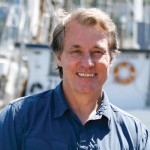
Gil Sylvia, PhD.Gil Sylvia is a Marine Resource Economist, Director of the Coastal Oregon Marine Experiment Station (COMES) and Professor in the Department of Applied Economics at Oregon State University. He is also presently chairman of TraxTM Systems, Inc. , a private non-profit corporation dedicated to research and development of eFIS systems. 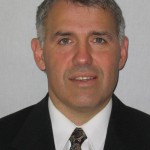
Bruce Turris
Pacific Fisheries Management Inc.
bruce_turris@telus.netBruce provides policy advice, strategic planning and management services to clients such as commercial fishing associations, government agencies and environmental organizations.He has been active in the field for 30 years, involved in the design, development and implementation of cooperative and shared management and monitoring arrangements in fisheries throughout North America. 
Courtney Paiva
Project Manager
Pacific States Marine Fisheries Commission
CPaiva@psmfc.org
503-595-3118Courtney Paiva is the Project Manager for the Electronic Monitoring Program at Pacific States Marine Fisheries Commission. Courtney began working as part of the EM team in 2013 as a data imagery reviewer, and she now manages the day-to-day of the program. She has experience as a fisheries observer in New England, and earned her BSc in Marine Biology from the University of Massachusetts Dartmouth.
Western Pacific & U.S.Pacific Islands
Practitioners Background 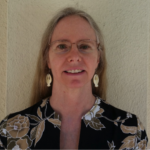
Melanie Brown
melanie.brown@noaa.govMelanie is a Fish and Wildlife Administrator in the Sustainable Fisheries Division, NOAA Fisheries, Pacific Islands Region. She focuses primarily on the development of management measures for federal Pacific Islands fisheries. Melanie is responsible for tracking and reporting regional progress in developing electronic technologies including the use of EM/ER in the Hawaii and American Samoa Longline Fisheries. Melanie is also coordinating with the Pacific Islands Observer Program and the Pacific Islands Fisheries Science Center in the development of electronic technologies for observer reporting, fishery logbooks, and electronic monitoring of catch and interactions with seabirds, marine mammals, and sea turtles. 
Matthew J. Carnes
Fisheries Monitoring Associate
International Fisheries Program
NOAA/NMFS/PIFSC/FRMD
matthew.carnes@noaa.gov
(808)725-5413Matthew is the NMFS logistical lead for the EM program focusing on the Hawaii and American Samoa Longline fisheries. Matthew has observed multiple Pacific based US fisheries, and has also worked as an observer for the IATTC. He is excited to be a part of organizing the future of EM in the Pacific Islands Region. He is currently working within the Pacific Islands Fisheries Science Center to bridge the gap between fishery managers and EM providers. He also has experience reviewing footage of fishing activities, as well as identifying Pacific pelagic species in less than ideal presentations. 
Alfred “Bubba” Cook
Western Central Pacific Tuna Programme Manager
WWF-New Zealand
+64 (0)4 499 2930 / (0)4 499 2954 | m: +64 (0)27 833 0537 Skype: bubbas_law
acook@wwf.panda.orgAs the Western and Central Pacific Tuna Programme Manager for WWF, Bubba focuses on improving tuna fisheries management in the Western and Central Pacific through policy improvements, market tools, and technological innovation. He recently supported a project implementing electronic reporting tablets for observers in the PNA tuna purse seine fishery and is currently pursuing the development of an electronic reporting platform in four key Pacific Island states. He has expertise in EM and has most recently contributed to the development of a UN project in support of EM implementation. 
Mike Gerner
mike.gerner@afma.gov.au
+61 2 6225 5379
Manager EM & Observers
Australian Fisheries Management AuthorityMike is the manager of the EM and Observer Programs at Australian Fisheries Management Authority. He has been responsible for implementation and management of AFMA's EM program in tuna longline fisheries and southern shark gillnet fishery. EM has been used as a fulltime program for the past 2 years in tuna fisheries and used for monitoring the gillnet fishery since 2010. Mike has been responsible for designing monitoring program using both EM and observers in multiple fisheries across Australia. 
Malo Hosken
Pacific Community
Oceanic Fisheries Program
B.P. D5 | 98848 Noumea, New Caledonia
Tel: (687) 26 20 00
Mob: (687) 95 34 97
maloh@spc.int
www.spc.int/oceanfishMalo Hosken is the Regional E-Reporting Coordinator of the Pacific Community. Since 2013, he has coordinated EM and ER trials in the WCPO convention area, working with National Fisheries Management Authorities in member countries, regional fisheries management organisations, NGOs, fishing companies and technical service providers. Working at SPC since 2009, Malo is committed to multi-stakeholder collaborations towards implementing E-Reporting and E-Monitoring tools that will help achieve sustainable fishing practices for the benefit of all. 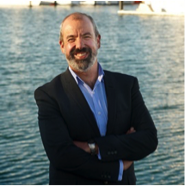
Mark Jones, General Manager, FINNZ
mark.jones@finnz.com
P: +64 4 460 9557 M: +64 27 244 4325
http://finnz.com/sectors/fisheries/
Mark is the General Manager of FishServe Innovations New Zealand (FINNZ). Prior to FINNZ, Mark worked as the Catch Data Manager and Quota Allocations Manager at FishServe and New Zealand's Ministry of Fisheries. Mark was on the governance board for the establishment of the Elements fisheries management software used to manage the rights and attributes of New Zealand’s commercial fisheries. Mark is currently overseeing the FINNZ team activities in the implementation of New Zealand’s IEMRS project including the integration of ER/EM solutions with Elements. Mark has also been involved in various project focussed on improving the collection and ongoing management of fisheries data. 
Eparama Loganimoce
E-Reporting Technical Coordinator
Secretariat of the Pacific Community
eparamal@spc.intEparama is Regional E-Reporting Technical Coordinator at the Secretariat of the Pacific Community in Noumea, New Caledonia. His responsibilities include ensuring the smooth flow of EM data from countries in the Western and Central Pacific region into the Secretariat's central database, and ensuring that that data is then presented back to the fisheries authorities in the various countries for their use. This includes working with technical service providers and EM coordinators/analysts after reporting data issues and trying to find ways where they can improve data quality. 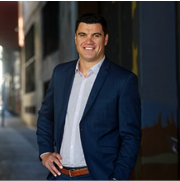
Dan Martin, Consultant, FINNZ
dan.martin@finnz.com
p: +64 4 460 9568 m: +64 21 0277 3527
http://finnz.com/sectors/fisheries/
Dan is a Consultant with 15 years’ experience in the IT and Fisheries field where he has gained a wealth of knowledge and experience. Dan has been heavily involved in the implementation of New Zealand’s new Fisheries Management Solution – ELEMENTS. Dan has also led the team who is tasked with designing the solutions and systems needed to support the introduction of new digital monitoring regulations for New Zealand’s fisheries sector. 
Johanna Pierre
johanna@jpec.co.nz
+64-(0)21-908-227
P.O. Box 35122
Lower Hutt
New Zealand 5041
www.jpec.co.nzJohanna is a consultant working in New Zealand who specializes in fisheries monitoring, management, and policy. She was project manager and principal analyst for the design and initial implementation of mandatory electronic catch and position reporting, and electronic monitoring, across NZ's commercial fishing fleet. Johanna's other work includes sustainability assessments, fisheries audits, and research, policy and management of the environmental effects of fishing. 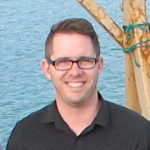
Chris Rodley, CEO and Founder
Snap Information Technologies Ltd
chris@snapithd.com
Phone: +64-3-548-8365Chris is Founder and CEO of Snap Information Technologies Ltd (SnapIT) and has been designing and developing camera hardware for the past 10 years. SnapIT's marine EM systems have been specifically created for harsh fisheries environments. Their focus has now shifted to AI technology in on-vessel systems, so that the process of footage classification and data extraction can begin before the footage leaves the vessel. SnapIT focus on providing value to fishers by making data available for business intelligence as well as compliance purposes. 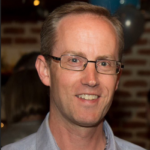
Geoff Tuck
CSIRO Marine Laboratories
Castray Esplanade, Hobart
Tasmania, AustraliaGeoff is a population modeller that uses integrated modelling methods to inform and assist the decision making process for marine resource managers with regard to population status, historical and future population impacts, and the consequences of alternative management regimes. His work on both target fish and incidentally caught species (especially albatrosses) has led to an interest in improving the quality, quantity and efficiency of data collection to inform managers. Hence his interest in EM. Geoff is part of a team developing novel tools for the auto detection of catch from on-vessel video footage. See marinevistech.com. 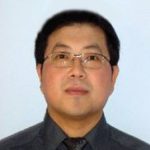
Dadong Wang, PhD
Data61 - CSIRO
PO Box 76, Epping, NSW 1710
E dadong.wang@csiro.au
T +61 2 9325 3223Dr Dadong Wang leads the CSIRO Quantitative Imaging Research Team, which develops and helps bring to market intelligent end-to-end imaging and image analysis solutions. His team is working on automated video analysis for e-Monitoring of fisheries operations, including automated fishing event detection, automated fish species identification, counting and measurement.
Dadong is an adjunct Professor at the University of Technology, Sydney (UTS) and a Conjoint Associate Professor at the University of New South Wales (UNSW). Prior to joining CSIRO in 2005, he developed large intelligent systems for monitoring/control for multinational corporations. His research interests include image analysis, computer vision, machine learning, signal processing and software engineering. He has developed automated image analysis solutions with the aim of increasing both quality and quantity of information extracted from multi-dimensional image data.