How MMA Fans Are Embracing Online Entertainment Today
Fight night used to be a singular experience: one screen, one couch, and a room filled with anticipation for the fighter walkouts. Today, MMA fans are rarely without a second screen, as the sport has comprehensively infiltrated online spaces. These digital realms offer engaging chats, bite-sized video clips, fantasy matchups, live betting odds, and even quick online games between rounds. This dynamic environment perfectly complements the sport's rhythm. A mere 15-minute break after a quick first-round finish provides ample time to check Discord, participate in a poll, debate the merits of a 10-8 score, or review clips of a devastating calf kick. For some, it’s akin to the old days of a quick pizza run, but now it’s instantaneous. They crave action while judges deliberate and cornermen tend to injuries. As the co-main event concludes, a group chat might engage in a quick game before returning to predictions and memes. Many online platforms seamlessly integrate into this fan habit, existing alongside Reddit discussions, YouTube breakdowns, and the inevitable barrage of ill-fated predictions.
The Second Screen During Fight Night
The second screen is no longer a passive backdrop; it’s an active participant. During major events like UFC 300, numerous fan communities hosted live scorecards, shared reaction GIFs, and displayed parlay screenshots even before the official decision was announced. This immediacy explains the appeal of side games and casino-style pages during the inevitable lulls. A fan who has already watched several preliminary bouts might spend five minutes trying their luck at a jackpot game before refocusing on the next walkout song.
Discussions about responsible gaming have also found a home in these online spaces. Moderators in established communities often pin reminders about budget management, age verification, and licensing details. This due diligence, though perhaps tedious, is crucial for fans when entrusting their personal data to online platforms.
Clips, Stats, and Instant Debate
The rise of short-form video has revolutionized how fans dissect fights. A defensive maneuver that might have been fleetingly seen during a live broadcast can now appear on TikTok seconds later, slowed down and highlighted. This accessibility allows even casual viewers to quickly grasp technical nuances like underhooks, head positioning, and the occasional fence grab that might have been missed by commentators.
The ensuing debates are lively, but they are increasingly informed. On platforms like X, former wrestlers might offer insights into why a specific takedown attempt failed. On YouTube, coaches can pause the same exchange, elaborating on the importance of hip pressure. Fans then cross-reference these insights with FightMetric statistics, critically assessing whether the commentary aligned with the observable action.
Naturally, unsubstantiated opinions still circulate. However, the overall effect is a more discerning viewing experience. An individual who has watched multiple breakdowns of a fighter’s signature move, like Alex Pereira’s left hook, will approach subsequent title defenses with a deeper understanding.
The phone has become a portable analytical tool, a digital gym for fight analysis, devoid of the familiar scents of old gloves and disinfectant. This has also transformed watch parties. While one person might rewind a jab entry on a kitchen TV, another could be checking the official fight clock and shouting over the noise of a blender.
Fantasy Cards Make Every Prelim Matter
Fantasy sports have injected new significance into the preliminary bouts. While a ranked lightweight clash naturally draws attention, a 1 p.m. prelim featuring two debutant bantamweights requires an additional hook. Draft leagues, pick’em pools, and private spreadsheets provide this incentive. Suddenly, a friend who might have skipped the early fights is inquiring about takedown averages.
The formats are generally straightforward: pick the winner, the method of victory, the round, and perhaps an upset pick. Some groups even implement lighthearted penalties, such as wearing a losing fighter’s walkout attire to the next barbecue – a quirky yet memorable consequence.
This engagement rewards research without demanding professional expertise. Fans scrutinize Tapology records, analyze weigh-in photos, and scour interviews for any indications of injuries. A missed weight cut transforms into part of the pre-fight drama, occurring before any punches are thrown.
Furthermore, this approach helps to mitigate regional biases. When a league awards points for every bout, a fan in Manchester has a vested interest in a Brazilian prospect fighting in Las Vegas, even if it’s early morning back home. This small stake can significantly alter the dynamic of a watch party. No one will leave for snacks during a grappling-heavy opener if league points are on the line for a successful guard pass.
Watch Parties Moved Into Group Chats
The traditional living room gathering still exists, but it now has a digital counterpart. Friends who once met at the same sports bar might now be spread across different time zones, with one person in Dublin, another in Toronto, and a cousin catching the action on their phone during a night shift.
Group chats bridge these geographical distances. They facilitate voice notes after dramatic knockouts, the sharing of screenshots of questionable scorecards, and quick apologies for accidentally spoiling a delayed broadcast. The most successful chats operate with clear guidelines: no discussion of results until the lagging stream catches up, no jokes about injuries, and no lengthy rants about lost bets while the main event is underway.
Small rituals hold significance within these digital communities. One person might post the fight poster on Monday, while another shares the weigh-in faceoffs on Friday. By Saturday, the chat develops its own internal card, complete with fighter nicknames, simulated odds, and a resident expert who predicts every guillotine choke.
The experience feels personal because it is. MMA has always fostered a sense of tribalism, and online spaces have made this tribe portable. Even periods of silence within the chat convey meaning. If the conversation halts after a powerful body shot, it's understood that everyone is rewatching the replay. Soon after, the jokes resume, often boisterously and perhaps a touch prematurely.
Betting Talk Grew More Careful
MMA betting discussions once resembled locker-room bravado, filled with grand claims and little substance. Today, more astute fans engage in conversations about bankroll management, closing line value, and why a heavyweight underdog with limited cardio might not be a worthwhile bet at any price.
There's an increased reliance on data. Fans meticulously track reach, stance, age, layoff duration, and a fighter's response when backed against the fence. They are also acutely aware of the inherent unpredictability. A single eye poke can invalidate the most meticulously researched prediction, as can a judge who prioritizes forward pressure over clean striking.
Online communities are increasingly less tolerant of reckless betting posts. A screenshot of a substantial wager might be met with scrutiny if the bettor cannot articulate their reasoning. Chasing losses is quickly identified and called out, which is a positive development.
This shift towards more cautious betting is healthy, not moralistic. Fans still embrace risk because the nature of fights is inherently uncertain. The most beneficial online spaces treat betting as a supplementary discussion, akin to barbecue sauce at a cookout – it belongs on the table, but not as the main course. A simple, effective rule has emerged: if the potential loss would negatively impact one's Monday morning, the stake is simply too large for Saturday night. No further elaboration is necessary.
What Comes Next for Fight Fans
The forthcoming evolution in online entertainment for fight fans will likely manifest as incremental improvements to existing habits rather than a radical shift to entirely new platforms. Many broadcasts already incorporate live tweets, alternative commentary streams, and corner audio feeds from certain promotions. Fans will increasingly expect greater control over camera angles, integrated statistics panels, and on-demand replay clips.
Artificial intelligence is poised to play a role, though the hype surrounding its capabilities will likely outpace its practical applications. A well-designed AI tool could potentially tag every low kick in a three-round fight and visualize cumulative damage over time. Conversely, a less effective AI might generate generic predictions or inaccurately label every southpaw as dangerous. Fans will rapidly discern the difference.
Creators also have significant room for growth. The most successful MMA channels are moving beyond conventional studio formats. They are venturing into gym visits, analyzing close rounds with local referees, and explaining the subtle yet impactful reactions that even a failed takedown attempt can generate.
For fans, the most sensible approach is straightforward: identify two online habits that genuinely enhance their fight experience and integrate them consistently. Discard the rest for any given fight card. Maintain the engaging chat communities and the valuable statistical resources. Mute any extraneous noise just before the announcer begins their introduction. Come next Saturday, fans can try this approach during the preliminary opener and observe what truly elevates their viewing experience at home.
Fresh materials — MMA news
PIN-UP Promotions: Raffles as a New Layer
Promotions in online gaming typically feature bonuses, cashback, tournaments, and short missions. Prize draws, however, introduce a different dynamic. Instead of awarding prizes based on a fixed formula for every participant, a raffle turns qualifying actions into entries for a subsequent draw

5 Smart Truck Upgrades for Looks, Utility, and Performance
Trucks offer significant potential for customization. Their design, particularly the open bed and wide availability of parts for popular models, makes them ideal for improvements. Whether the goal is a fresh look, increased practicality, or a vehicle tailored to its owner's needs, worthwhile m

SARMs and Peptides for MMA Recovery: A Scientific Look
MMA fighters face demanding training schedules, leaving little downtime between intense sessions. This constant physical stress drives the search for enhanced recovery methods, pushing interest beyond traditional fitness circles into areas like peptide and performance research. The conver
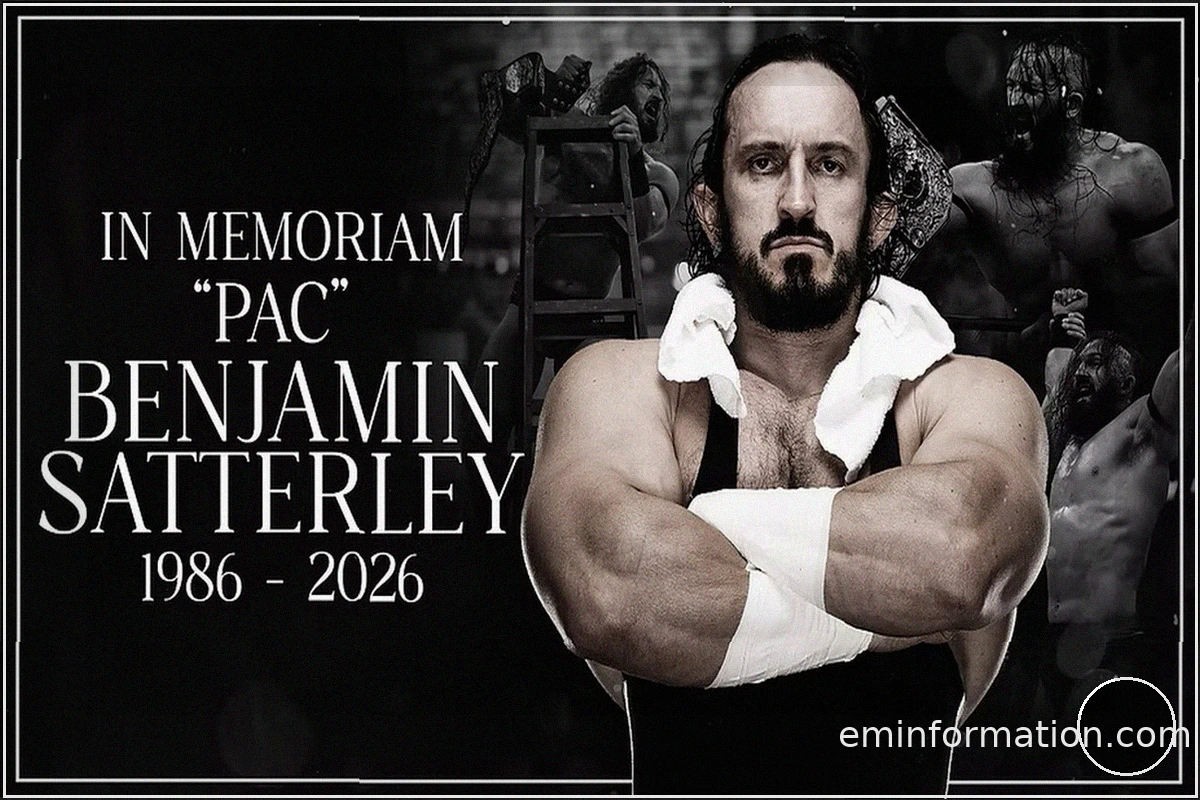
Pro Wrestling Star Pac Dies; Details Unknown
Benjamin Satterley, 40, a prominent professional wrestler known as Pac, has passed away, All Elite Wrestling (AEW) confirmed Sunday evening. The circumstances of his death have not been disclosed. AEW announced the news via social media. “All Elite Wrestling mourns the loss of Benjamin
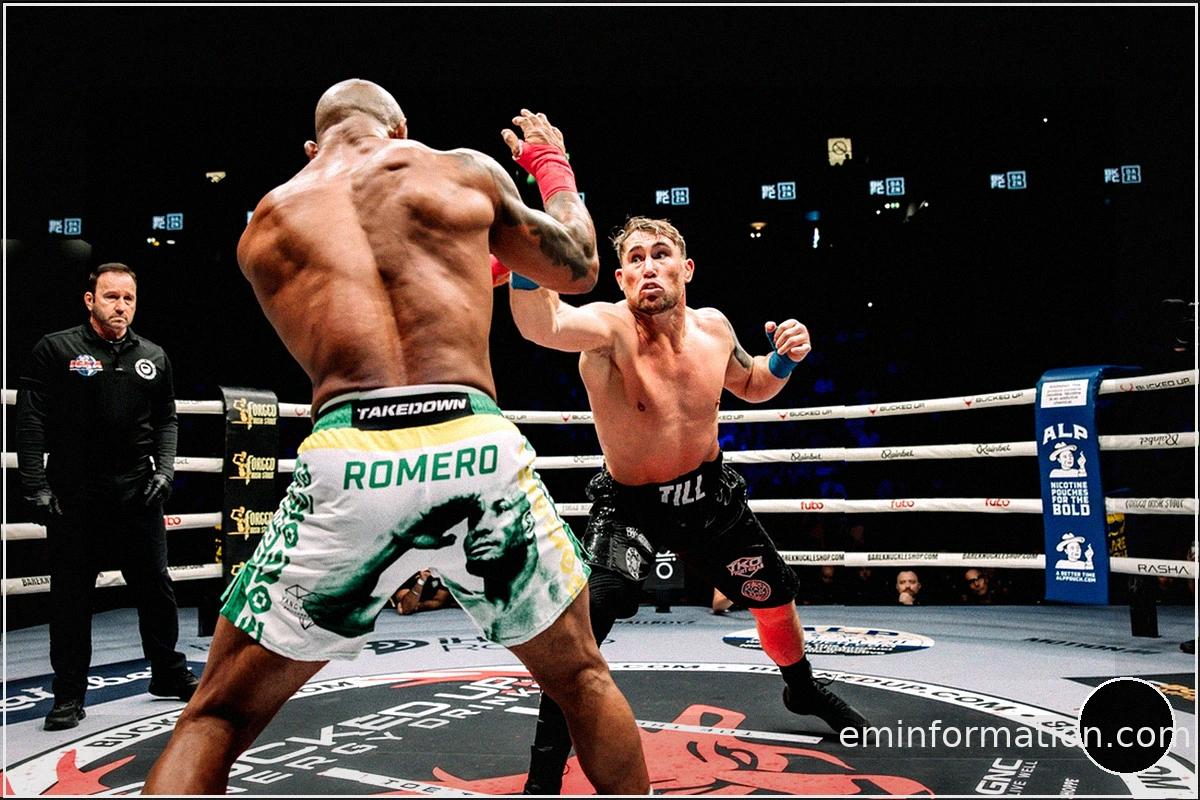
Darren Till Reigns Supreme Over Yoel Romero – Full BKFC 94 Results
Darren Till emerged victorious against Yoel Romero in the main event of BKFC 94 on Saturday night. The fight took place in front of a sell-out crowd of 15,894 at the AO Arena in Manchester, UK. After five rounds, all three judges scored the bout 49-46 for Till, a former UFC title challenge

WinRolla Casino: Bonuses, Promotions, and Key Features
Launched in 2025 under the Luxinero Group, WinRolla Casino quickly became a rewarding online gambling platform. Holding a Costa Rican gambling license, this new casino offers a vast library of over 13,000 games, impressive promotions, interactive rewards, and excellent mobile performance. Whet