PIN-UP Promotions: Raffles as a New Layer
Promotions in online gaming typically feature bonuses, cashback, tournaments, and short missions. Prize draws, however, introduce a different dynamic. Instead of awarding prizes based on a fixed formula for every participant, a raffle turns qualifying actions into entries for a subsequent drawing. This creates a promotional layer that can span multiple products without altering the games themselves. For PIN-UP, such a model wouldn't replace existing offers; it could link specific campaigns through tickets, scheduled draws, and visible prize stages, providing a unified structure for otherwise separate promotions.
Prize Draws Address a Different Promotional Need
Cashback returns a portion of a player's spending, tournaments rank participants, and bonuses apply a set reward. A raffle separates the activity that earns an entry from the final prize distribution. PIN-UP has previously employed multi-stage promotional mechanics that offer a foundation for such a system. The 2024 Eurofest, for instance, was divided into four stages, each with 150 prize positions, totaling 600 prizes. The America Champions campaign featured three stages, with 50 prize positions each. While these campaigns were based on accumulated points rather than a traditional random raffle, they demonstrate the organization of qualifying rules, repeated stages, published results, and multiple prize rounds within a single promotion.
This structure could also lend flexibility to a future raffle mechanic. An entry might be tied to a sports campaign, a game collection, a seasonal event, or another eligible action without needing to rebuild the underlying product. Participants would see a consistent unit of progress regardless of the campaign's theme. Unlike a leaderboard, a draw wouldn't necessitate competition for ranking. Qualifying actions would instead feed into a later prize event, allowing the mechanic to operate alongside tournaments, cashback, and other promotional formats.
A Raffle Layer Can Unify Separate Campaigns
One application involves making tickets a universal promotional unit across selected campaigns. A user could receive an entry from weekly activity and another from a seasonal promotion, with the interface consolidating these within a central draw area. Entry points could include the main site, an app, email, push notifications, or a promotional page, while ticket status remains visible in one location. This would enable PIN-UP to refresh campaign content without requiring users to learn entirely new mechanics each time, as the fundamental relationship between qualifying activity, entry, and draw would remain familiar.
Tickets Connect Activity to Future Rewards
The broader industry is already exploring this modular approach. In 2026, Hub88 partnered with LuckyDraw to integrate prize draw, raffle, scratch card, and instant-win game technology into existing operator environments. Industry analysis also suggests prize draws are evolving from a niche format into a scalable engagement product, positioned between lotteries, social commerce, and iGaming. For PIN-UP, the objective isn't to create a standalone prize-draw business but to apply the same modular principle within its existing promotional ecosystem.
Transparency Is Integral to Product Design
A raffle remains straightforward only when its rules are easily verifiable. Participants must understand what earns an entry, how many tickets they hold, when the draw concludes, how winners are selected, and when prizes are credited. Previous PIN-UP campaigns already separated qualification rules, promotional stages, and published results, offering a valuable structural precedent even without being classic raffles. If multiple promotions feed into a single draw system, the interface must clearly indicate which entries belong to each prize event to prevent a mechanic meant to simplify participation from becoming confusing.
The prize-draw sector is also increasingly emphasizing governance. Voluntary standards, industry organizations, and operator codes are focusing on transparent terms, consumer protection, accountable winner selection, and verifiable results. While these frameworks may not automatically apply to every PIN-UP operation, they highlight why a scalable raffle system requires more than appealing prizes. Clear eligibility rules, accessible records, and auditable result procedures become more crucial as the number and scale of draws increase.
Requirements for a Separate Raffle Layer
Establishing prize draws as a permanent promotional feature requires more than simply adding a random winner function to current campaigns. The system would need a stable ticket ledger, clear schedules, eligibility rules, and result pages accessible after each stage. Limits on entry distribution frequency are also necessary to prevent the mechanic from becoming ubiquitous and losing its distinct purpose. The goal is to provide selected promotions with a shared reward path, rather than making every action generate another ticket. A functional structure would typically include:
- A visible ticket balance linked to specific active draws.
- Fixed opening and closing times for each raffle stage.
- Clear qualifying actions and applicable eligibility rules.
- Published procedures for winner selection and prize crediting.
- An archive for readily available past draw results.
Raffles Can Provide Continuity Without Replacing Core Promotions
The primary benefit of this model is continuity. A cashback offer might run for a weekend, and a tournament for two weeks, yet both could contribute to a larger monthly or seasonal draw if the published rules permit. This allows PIN-UP to connect campaigns that would otherwise conclude independently. Different prize tiers could also operate without altering underlying products, with weekly entries feeding into smaller draws and select qualifying tickets potentially advancing to a larger final stage. The raffle would establish a secondary timeline above the standard promotional calendar, rather than supplanting it.
Personalization Can Determine Visible Draws
PIN-UP has publicly outlined personalization and gamification as key product directions, including a move away from one-size-fits-all mechanics. A raffle layer would align with this approach if users were shown only the prize draws relevant to their activity or eligibility. Sports promotions, gaming campaigns, and loyalty programs could use distinct qualifying rules while relying on the same underlying ticket technology. The infrastructure could remain unified, with visible offers varying by segment, thus maintaining the mechanic's recognizability without overwhelming the promotions area with unrelated draws.
A Draw Can Become Reusable Promotional Infrastructure
PIN-UP already possesses experience with staged promotions, qualification rules, and published prize results, while the broader market is developing raffles and prize draws into dedicated engagement products. A logical next step would be to treat the draw mechanism itself as reusable infrastructure. Ticket records, schedules, result pages, and prize rules could remain constant as individual campaigns evolve. This would offer short-term promotions a longer connection without forcing bonuses, tournaments, and cashback into identical formats. With clear eligibility criteria and transparent result procedures, raffles could evolve into a distinct promotional layer rather than another isolated campaign card.
Fresh materials — MMA news

5 Smart Truck Upgrades for Looks, Utility, and Performance
Trucks offer significant potential for customization. Their design, particularly the open bed and wide availability of parts for popular models, makes them ideal for improvements. Whether the goal is a fresh look, increased practicality, or a vehicle tailored to its owner's needs, worthwhile m

SARMs and Peptides for MMA Recovery: A Scientific Look
MMA fighters face demanding training schedules, leaving little downtime between intense sessions. This constant physical stress drives the search for enhanced recovery methods, pushing interest beyond traditional fitness circles into areas like peptide and performance research. The conver
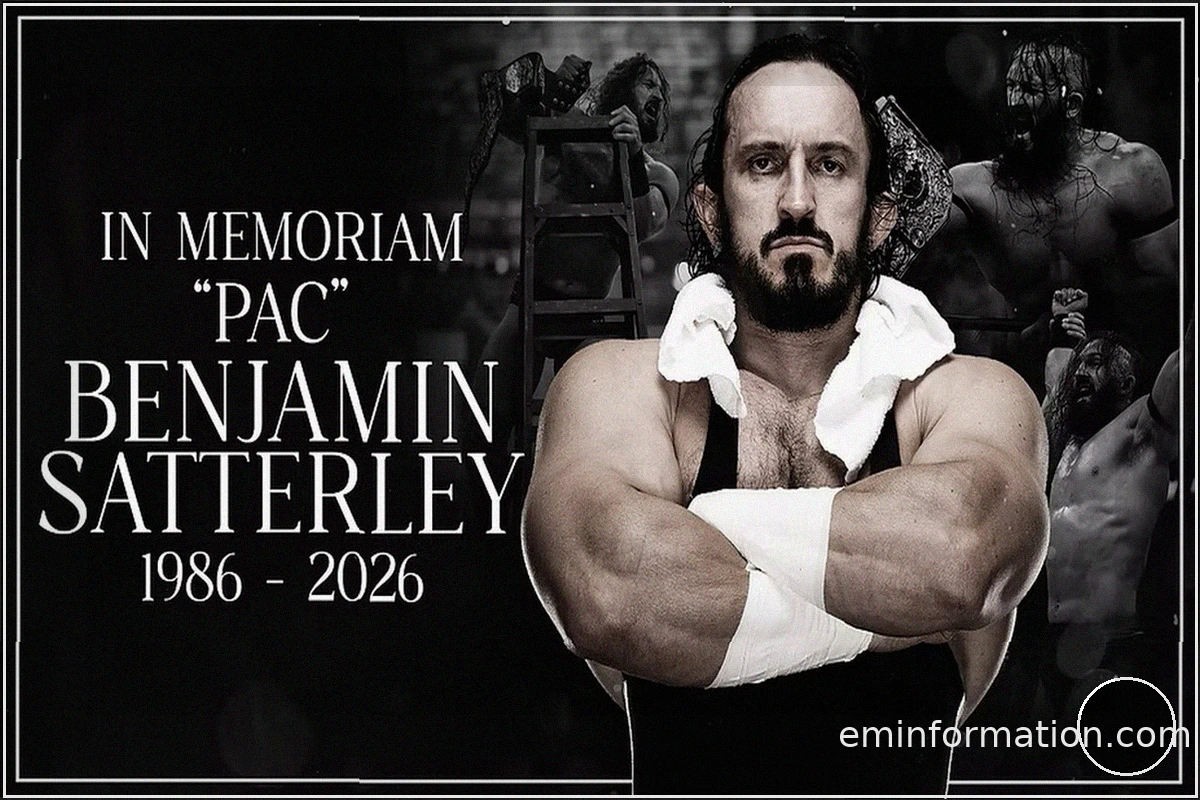
Pro Wrestling Star Pac Dies; Details Unknown
Benjamin Satterley, 40, a prominent professional wrestler known as Pac, has passed away, All Elite Wrestling (AEW) confirmed Sunday evening. The circumstances of his death have not been disclosed. AEW announced the news via social media. “All Elite Wrestling mourns the loss of Benjamin
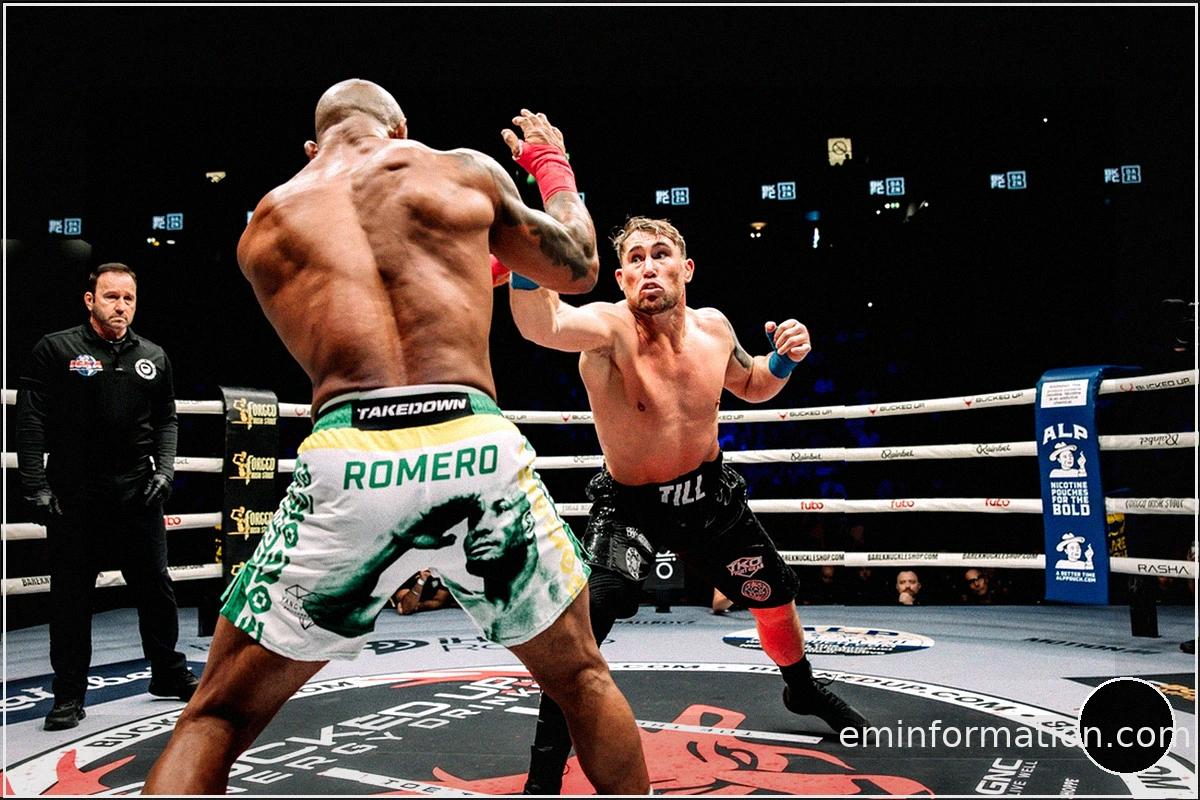
Darren Till Reigns Supreme Over Yoel Romero – Full BKFC 94 Results
Darren Till emerged victorious against Yoel Romero in the main event of BKFC 94 on Saturday night. The fight took place in front of a sell-out crowd of 15,894 at the AO Arena in Manchester, UK. After five rounds, all three judges scored the bout 49-46 for Till, a former UFC title challenge
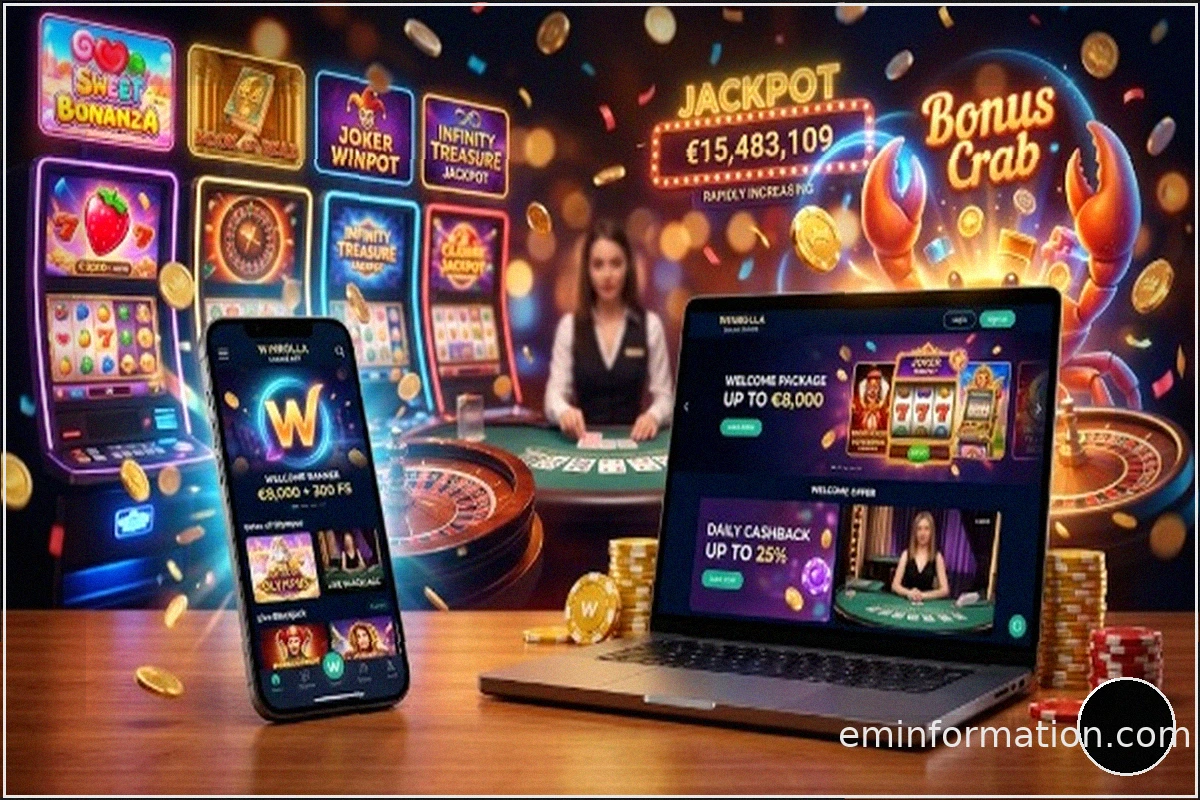
WinRolla Casino: Bonuses, Promotions, and Key Features
Launched in 2025 under the Luxinero Group, WinRolla Casino quickly became a rewarding online gambling platform. Holding a Costa Rican gambling license, this new casino offers a vast library of over 13,000 games, impressive promotions, interactive rewards, and excellent mobile performance. Whet
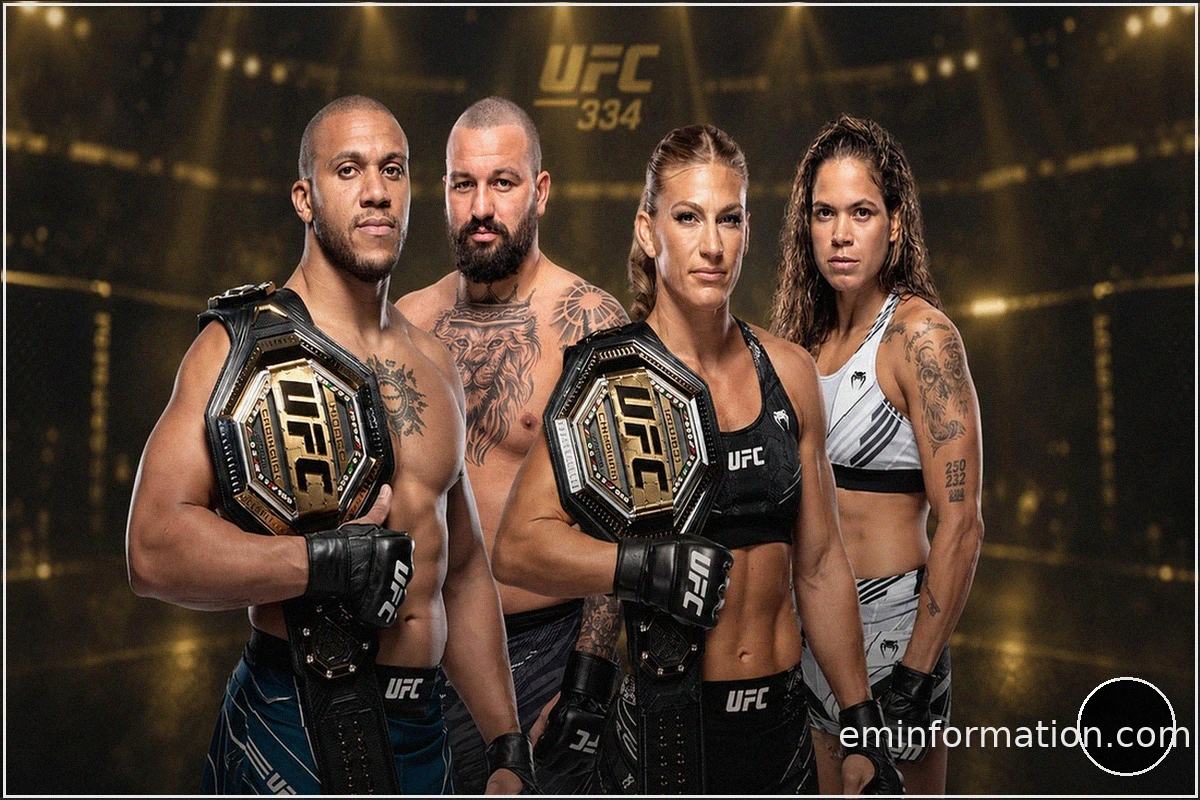
UFC 334: Gane vs. Hokit Headlines Madison Square Garden Return with Championship Doubleheader
Madison Square Garden in New York City hosts UFC's return with a significant card, topped by two championship bouts. In the main event, heavyweight champion Ciryl Gane makes his first defense against No. 4 contender Josh Hokit. The co-main event features a highly anticipated women's bantamweig