PBA Standings: How Rankings, Tiebreakers, and Seeding Work
PBA standings reflect team positions within the current conference, not an overall league season. Each conference has its own separate elimination table, qualification line, and playoff bracket. A 6-2 record in one conference doesn't carry over to the next.
Understanding the format for each conference is key. Different formats, from single round robins to group eliminations and varying playoff incentives, influence how standings translate to postseason opportunities. A seed in the table only tells you where a team stands now; the published format explains what that position means for advancement.
Winning Percentage Dictates Initial Ranking
The standings primarily use games played, wins, losses, and winning percentage. Winning percentage is calculated by dividing wins by the total number of games completed. A team with a 7-3 record has a .700 winning percentage, while a 5-2 team sits at .714, despite fewer wins, because they've played fewer games. This uneven number of games played makes raw win totals misleading during a live conference.
Interpreting a Hypothetical Standings Table
| Team | W-L | PCT | Table Interpretation |
|---|---|---|---|
| Harbor | 7-3 | .700 | Completed ten games with a strong standing. |
| Metro | 5-2 | .714 | Higher percentage, but needs to play three more games to match Harbor's total. |
| Central | 5-5 | .500 | Even record; qualification depends on the cutoff line and tiebreaker results. |
The standings don't reveal schedule difficulty, player absences, or the strength of opponents faced. These details require looking at game logs and availability reports. The table provides a ranking, not a complete assessment of team quality.
The Qualification Cutoff Varies by Format
The structure of each conference dictates how teams advance. For example, in the Season 50 Philippine Cup, the top eight teams advanced from a single round robin, with the top four receiving a twice-to-beat advantage in the quarterfinals. This structure is specific to that conference and doesn't apply universally.
Other conferences, like the 2026 Governors’ Cup, used group formats (Group A and Group B) which could lead to crossover pairings instead of a single ladder. Before determining a team's playoff chances, one must know the current qualification rules and the remaining schedule.
Ties Require Specific Procedures, Not Just Order
Teams with identical win-loss records don't automatically share the same seed. The PBA specifies the tiebreak procedure for each conference. For the Season 50 Philippine Cup, officials used a quotient tiebreak and eliminated a separate playoff for eighth place. Quotient calculations depend on the scoring differences between tied teams, so checking the exact rule and eligible games is crucial, rather than assuming from the overall point differential.
These tiebreak details can impact the perceived value of teams near the qualification line. Understanding these specific rules is important when comparing potential outcomes.
Playoff Brackets Begin Where Standings End
PBA team standings cover the elimination phase. A playoff bracket outlines the series matchups and team progression after qualification. Individual player statistics are tracked separately; a top scorer doesn't directly add to their team's standings points.
A twice-to-beat advantage is different from a standard best-of-three series. The protected team needs one win to advance, while the opponent must win twice. Best-of-five and best-of-seven series involve repeated matchups and strategic adjustments over more games.
Form and Recent Performance Complement Standings
To assess the likely outcome of an upcoming PBA match, consider recent game logs alongside the current standings. Factors like home-court advantage, import availability, injuries, net scoring margin, and the strength of opposition should be examined separately from the official win-loss record.
It's essential to re-read the conference rules. The difference between finishing fourth and fifth might grant a twice-to-beat advantage, while the same position difference in a group format could mean facing a different crossover opponent.
Use the standings as a starting point, then investigate the games that led to those results.
Fresh materials — MMA news

5 Smart Truck Upgrades for Looks, Utility, and Performance
Trucks offer significant potential for customization. Their design, particularly the open bed and wide availability of parts for popular models, makes them ideal for improvements. Whether the goal is a fresh look, increased practicality, or a vehicle tailored to its owner's needs, worthwhile m

SARMs and Peptides for MMA Recovery: A Scientific Look
MMA fighters face demanding training schedules, leaving little downtime between intense sessions. This constant physical stress drives the search for enhanced recovery methods, pushing interest beyond traditional fitness circles into areas like peptide and performance research. The conver

Pro Wrestling Star Pac Dies; Details Unknown
Benjamin Satterley, 40, a prominent professional wrestler known as Pac, has passed away, All Elite Wrestling (AEW) confirmed Sunday evening. The circumstances of his death have not been disclosed. AEW announced the news via social media. “All Elite Wrestling mourns the loss of Benjamin
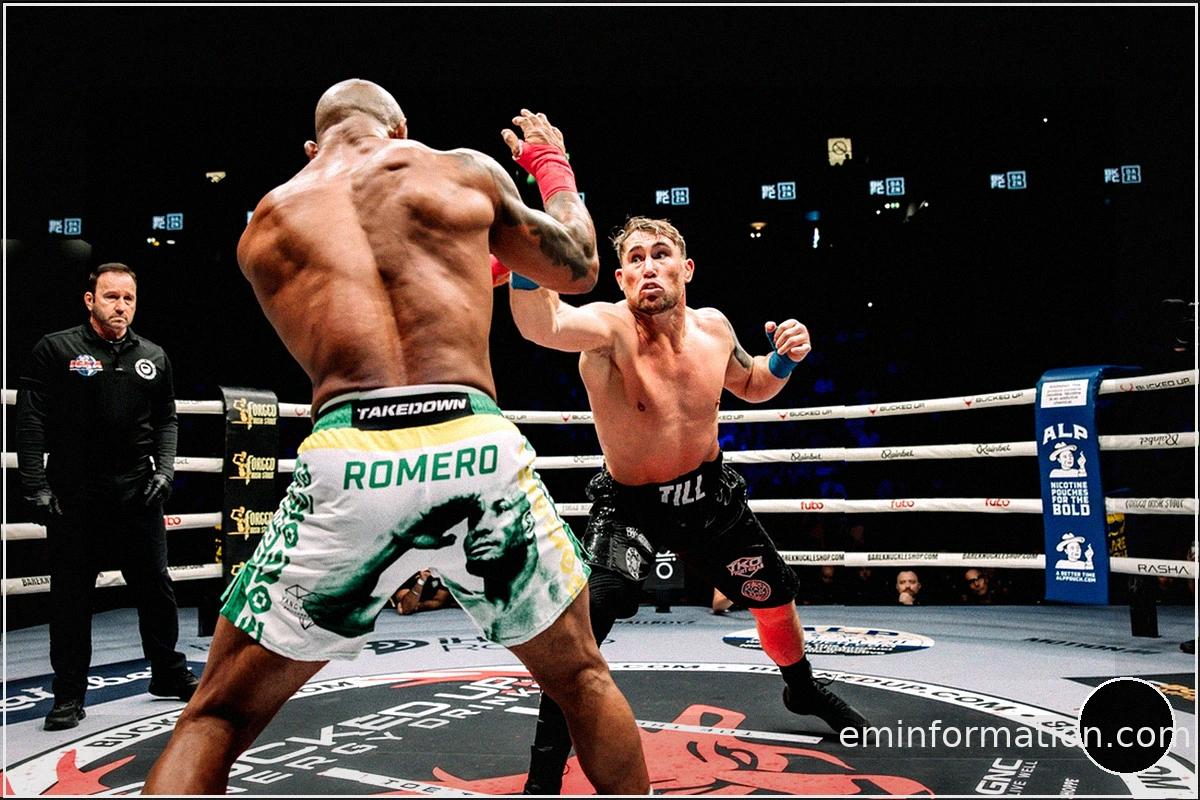
Darren Till Reigns Supreme Over Yoel Romero – Full BKFC 94 Results
Darren Till emerged victorious against Yoel Romero in the main event of BKFC 94 on Saturday night. The fight took place in front of a sell-out crowd of 15,894 at the AO Arena in Manchester, UK. After five rounds, all three judges scored the bout 49-46 for Till, a former UFC title challenge

WinRolla Casino: Bonuses, Promotions, and Key Features
Launched in 2025 under the Luxinero Group, WinRolla Casino quickly became a rewarding online gambling platform. Holding a Costa Rican gambling license, this new casino offers a vast library of over 13,000 games, impressive promotions, interactive rewards, and excellent mobile performance. Whet
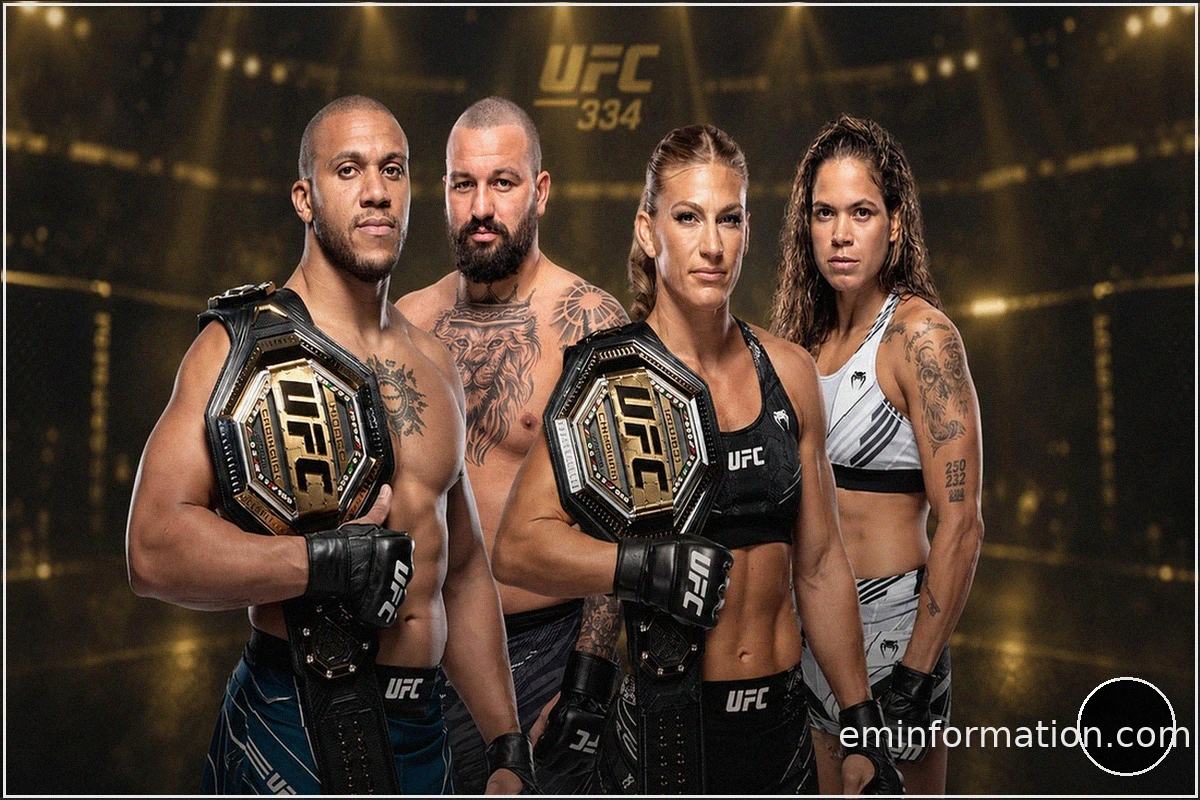
UFC 334: Gane vs. Hokit Headlines Madison Square Garden Return with Championship Doubleheader
Madison Square Garden in New York City hosts UFC's return with a significant card, topped by two championship bouts. In the main event, heavyweight champion Ciryl Gane makes his first defense against No. 4 contender Josh Hokit. The co-main event features a highly anticipated women's bantamweig