Serie A CEO De Siervo: ‘Italy has Europe’s oldest stadiums, we must modernise’
Luigi De Siervo, CEO of Lega Serie A, has issued a stark warning that Italian football risks falling behind its European counterparts due to its antiquated infrastructure, stressing that modern stadiums are indispensable for the sport's future viability.
In a recent interview, De Siervo highlighted the severe extent of the challenge. "Italy boasts the oldest stadiums in Europe, with an average age exceeding 70 years per venue," he stated. "While the situation is slowly beginning to shift, a fully operational new economic model is still at least six or seven years away. In the interim, the disparity with other leagues will only continue to widen."
Serie A CEO De Siervo wants modernisation ahead of Euro 2032
De Siervo underscored the approaching UEFA Euro 2032 co-hosting deadline as an unmissable catalyst for change. This is particularly relevant with construction anticipated soon for new stadiums for Milan and Inter, alongside proposals from both Lazio and Roma to leave the Stadio Olimpico.
"We face a deadline that cannot be ignored: in 2032, we will host the European Championships," De Siervo emphasized. "There are significant projects underway, such as the new Milan stadium, representing an investment of over €1 billion, and crucial plans involving Lazio and Roma. Discussions are also progressing in Genoa, while Florence is undergoing a substantial transformation."
De Siervo further explained the inextricable link between infrastructure upgrades and financial prosperity, especially as clubs strive to diversify their income streams beyond broadcast rights. In Milan, for instance, a completely new San Siro complex is projected to offer vastly increased commercial opportunities and substantially boost revenue. It's no surprise that the clubs collaborated with an architectural firm renowned for its work on major European venues like London's Wembley Stadium.
"We are currently navigating the most challenging phase," he acknowledged. "Our clubs remain heavily dependent on TV revenue, though commercial income is on the rise. Possessing modern, cutting-edge stadiums would significantly accelerate this growth."
He also pointed to an encouraging industry trend: new leadership bringing innovative perspectives to Italian football. "Fortunately, football is now attracting executives from more advanced sectors, introducing fresh expertise, diverse visions, and ambitious initiatives."
For Serie A, modernizing its facilities is no longer an option but a critical imperative for maintaining competitiveness both on and off the pitch.
Fresh materials — Sport news

Napoli confirms Meret and Alisson injury details after Arsenal defeat
Napoli has provided clarity on the injuries sustained by goalkeeper Alex Meret and attacker Alisson Santos during their recent 1-0 loss to Arsenal in the Champions League. The club also announced that Andre-Frank Zambo Anguissa has rejoined team training and is available for selection this week

Gasperini: Roma's Point Against Fenerbahce Could Be Crucial in Champions League
Gian Piero Gasperini believes AS Roma can consider the 1-1 draw away to Fenerbahce a positive result, stating, "A point can be important for the table and to achieve our targets." Roma dominated possession in Istanbul and initially took the lead through Bryan Cristante's precise shot from

Assane Diao: 'A Childhood Dream Realized' Scoring on Champions League Debut for Como
Assane Diao expressed his elation, stating that the moment of scoring on his Champions League debut for Como against RB Leipzig was a 'childhood dream realized.' He described the experience as surreal, fulfilling a lifelong aspiration. Como enjoyed a perfect start to their inaugural Champ
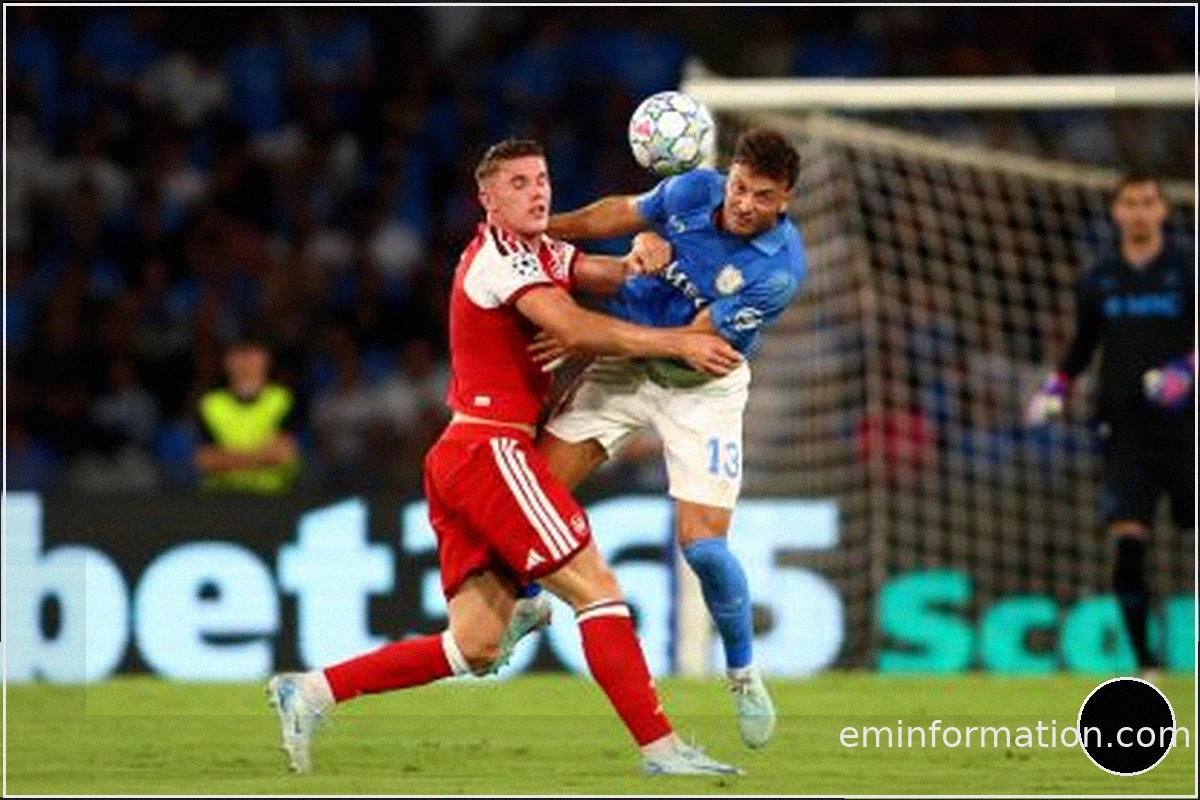
Di Lorenzo: Napoli Defended Too Deep Against Arsenal
Napoli captain Giovanni Di Lorenzo acknowledged that the team defended "a little too deep" during their match against Arsenal. Despite the frustration of three consecutive defeats, Di Lorenzo remains optimistic about Napoli's chances in the Champions League. The home game at the Stadio Ma
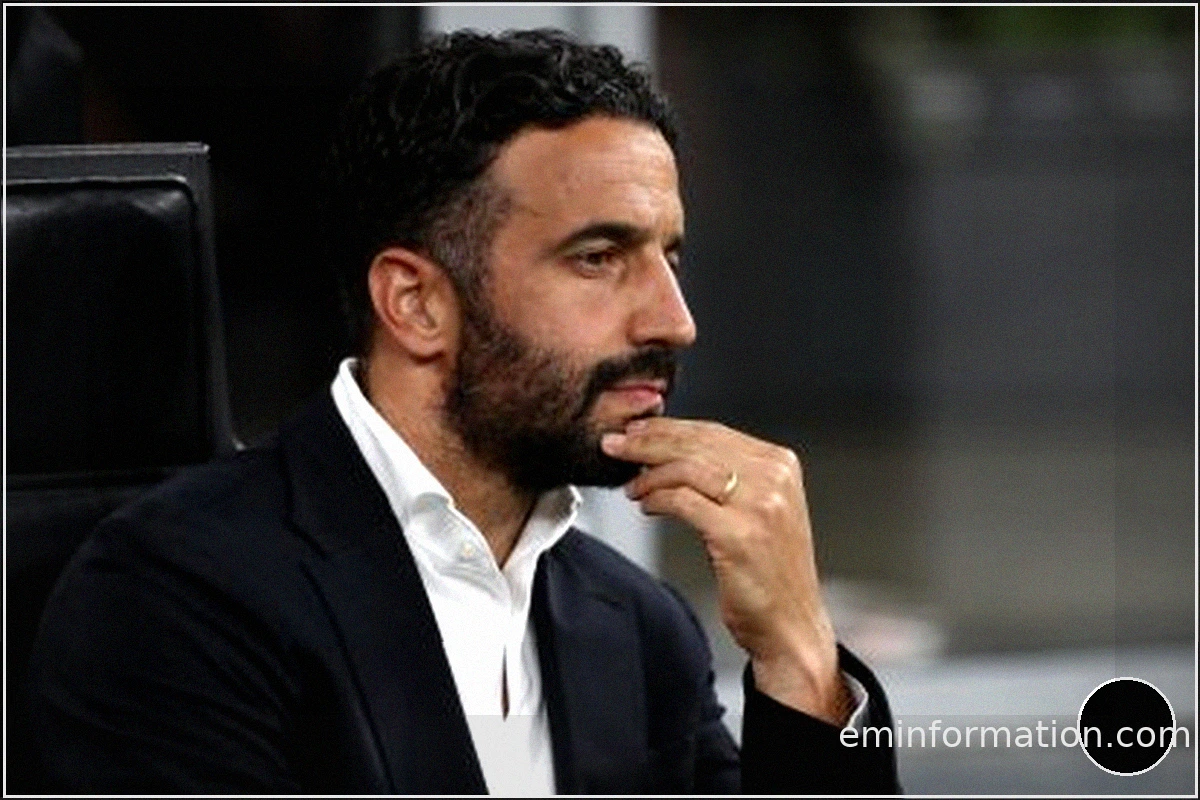
Omari Hutchinson: Ruben Amorim Wanted Me at Milan
Omari Hutchinson shared that Ruben Amorim was a significant influence on his decision to join Milan. The Rossoneri coach was reportedly impressed by Hutchinson's performance during a match against Manchester United. The 22-year-old winger was officially introduced as a new Milan player at t
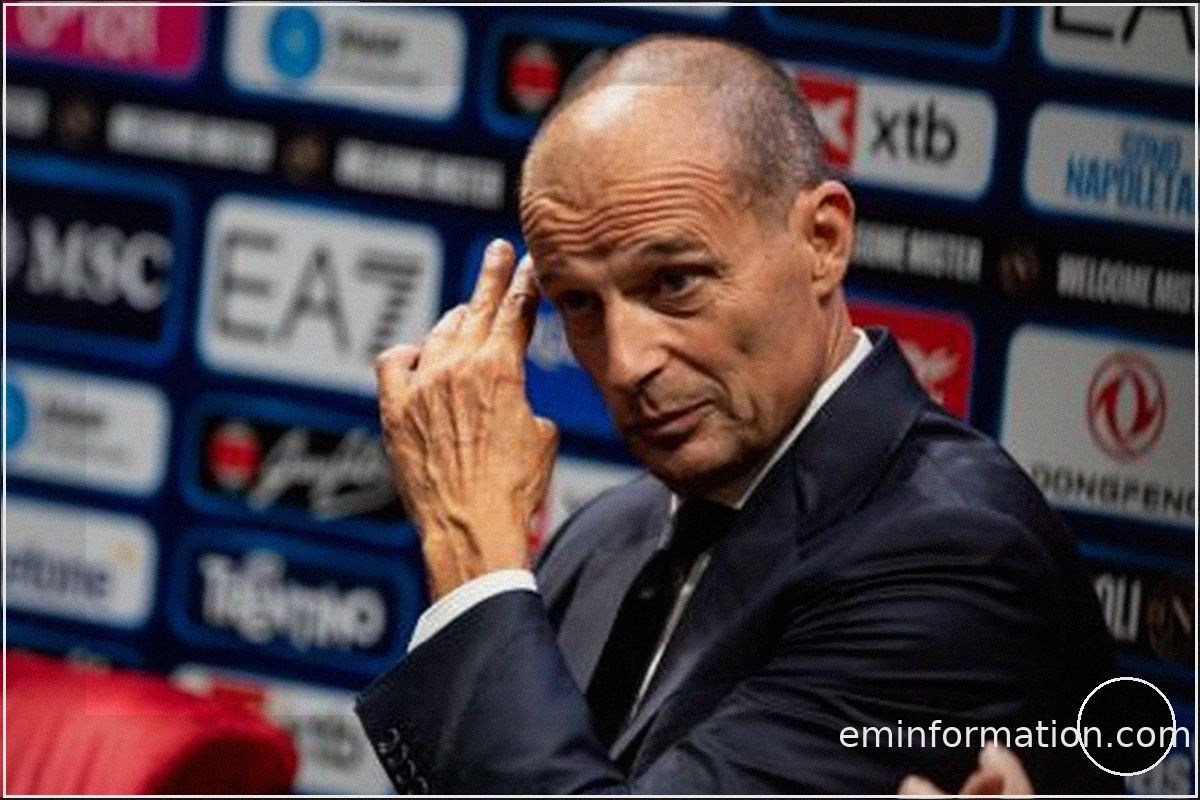
Allegri Praises Arsenal's Unique Defensive Style Ahead of Napoli's Champions League Clash
Napoli's new head coach, Massimiliano Allegri, has expressed his admiration for Arsenal's distinctive defensive tactics, highlighting that such a style is uncommon to witness from English teams. Speaking ahead of Napoli's Champions League fixture against Arsenal, Allegri stressed the critic