Why Wrestlers Adapt So Well to MMA
Wrestling backgrounds are a common feature among elite MMA fighters for a good reason. Many of the sport's most dominant champions, including Georges St-Pierre, Daniel Cormier, Kamaru Usman, and Jon Jones, have leveraged a fundamental advantage: the ability to dictate the location of the fight.
This seemingly simple ability can dramatically impact an MMA bout. A potent striker may hesitate to unleash combinations when a takedown is a constant threat. Similarly, a powerful grappler can be neutralized if forced to defend from their back. Wrestling equips fighters with the means to control these crucial aspects, making it one of the most transferable skills in combat sports.
Wrestling: The Key to Dictating the Terms of Engagement
The primary advantage of a wrestling foundation is control. A skilled wrestler can pin an opponent against the cage, change levels effectively, initiate scrambles, and consistently force their opponent to work. Even if a takedown isn't successful, the mere threat can disrupt the fight's rhythm.
Georges St-Pierre exemplifies this. Despite not having a traditional collegiate wrestling background, he developed elite MMA wrestling. He used this to control fights against formidable opponents, striking with confidence because adversaries had to constantly respect the possibility of being taken down. This strategic uncertainty is a powerful weapon derived from wrestling.
The Art of "Winning Ugly": Wrestlers Thrive in Gritty Fights
Not all MMA fights are technical masterpieces. Often, success hinges on enduring difficult positions, making an opponent expend energy carrying weight, winning scrambles, and maintaining pressure during exhaustion. Wrestlers are typically very comfortable in these demanding scenarios.
Daniel Cormier built a career on imposing this kind of physical pressure. His ability to close distance, clinch, and transform exchanges into wrestling battles allowed him to compete effectively against larger adversaries. Kamaru Usman also employed a similar strategy during his championship reign. While his striking improved significantly, his wrestling remained the bedrock of his performance.
Crucially, elite wrestlers don't have to remain one-dimensional. They can evolve and integrate other skills.
How Wrestling Enhances Striking Prowess
One of MMA's fascinating aspects is how strengths in one discipline can bolster performance in another. A wrestler who develops solid striking skills becomes exceptionally difficult to manage, as opponents struggle to defend every threat simultaneously. Over-focusing on takedown defense can leave them open to strikes, while aggressive striking can expose their hips.
Jon Jones has masterfully utilized this dynamic. Opponents must contend with clinch work, trips, takedowns, and striking all at once, leading to hesitation and creating openings for him. This interplay of styles is a key factor that makes MMA so unpredictable.
The Transferable Mentality of a Wrestler
Wrestling is notoriously demanding, characterized by rigorous training, constant drilling, and intense one-on-one competition. These experiences teach athletes to maintain focus under fatigue and discomfort. This mental fortitude is invaluable in MMA, where momentum can shift in an instant.
A fighter might lose a round, fail several takedown attempts, or get hit hard. Wrestlers are often conditioned to push through adversity rather than waiting for ideal circumstances. They also recognize the significance of minor advantages – securing an underhook, controlling head position, or forcing repeated defensive reactions – details that can ultimately decide a fight.
Wrestling Alone Isn't Sufficient
While wrestling offers significant advantages, it's not an automatic path to MMA success. An elite wrestler must still master striking defense, submission awareness, cage positioning, and how to counter kicks and knees. Many talented wrestlers have faltered due to an inability to adapt these crucial skills. The most successful MMA fighters treat their wrestling as a robust foundation, not a complete fighting system.
This is why athletes like Cormier, Usman, and Jones achieved such high levels of effectiveness. Their wrestling provided control, but their development in other areas transformed them into champions. In contemporary MMA, versatility is paramount. However, wrestling continues to offer what every fighter desires: the power to shape the fight on their own terms. In a sport defined by unpredictability, this may indeed be its greatest advantage.
Fresh materials — MMA news
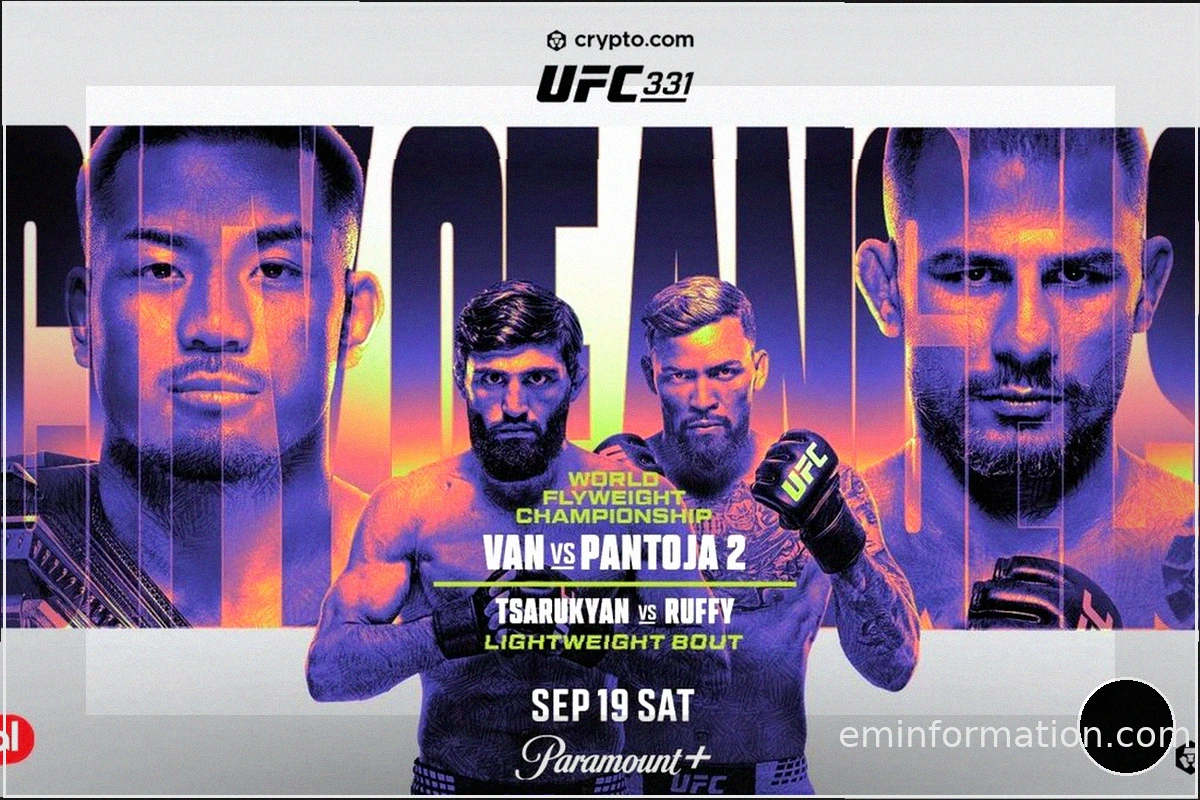
UFC 331: Van vs. Pantoja 2 - All Fight Results
UFC 331 took place at the Crypto.com Arena in Los Angeles. The main event saw UFC flyweight champion Joshua Van face former champion Alexandre Pantoja in their second encounter. Pantoja lost his title to Van in December 2025 due to an early arm injury during their fight. The lightweight d
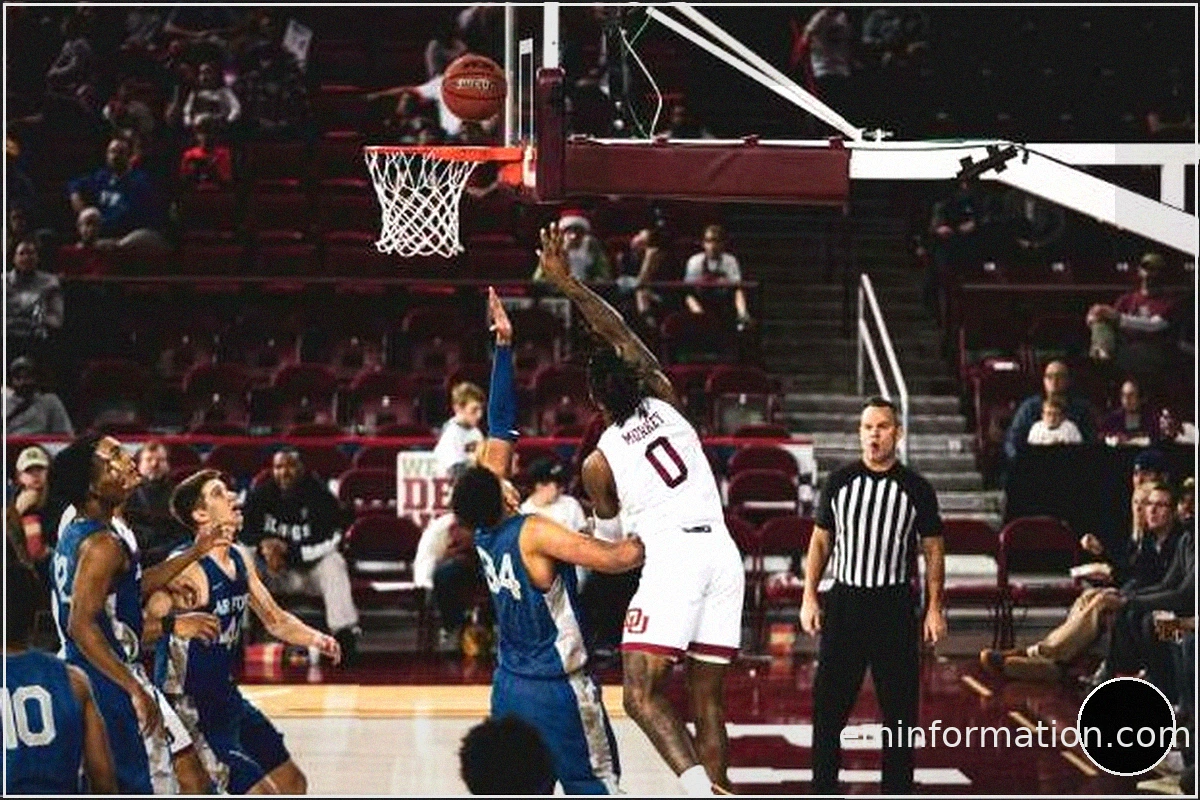
PBA Standings: How Rankings, Tiebreakers, and Seeding Work
PBA standings reflect team positions within the current conference, not an overall league season. Each conference has its own separate elimination table, qualification line, and playoff bracket. A 6-2 record in one conference doesn't carry over to the next. Understanding the format for ea

Biscotti Cake Weed Strain: Origins, Profile, and Characteristics
Descriptions of the Biscotti Cake strain can be inconsistent, making it difficult to form a clear picture. While its dessert-inspired name might suggest certain flavors, its reported genetics, appearance, aroma, flavor, and effects offer a more comprehensive understanding of its profile.

PFL Lyon: Lapilus vs. McKee for Inaugural Bantamweight Title in France
The Professional Fighters League (PFL) has confirmed that the first-ever PFL Bantamweight World Championship bout will headline PFL Lyon. The highly anticipated event is set to take place on December 19 at the LDLC Arena, where French fighter Taylor Lapilus (#3, 25-4) will face the undefeated
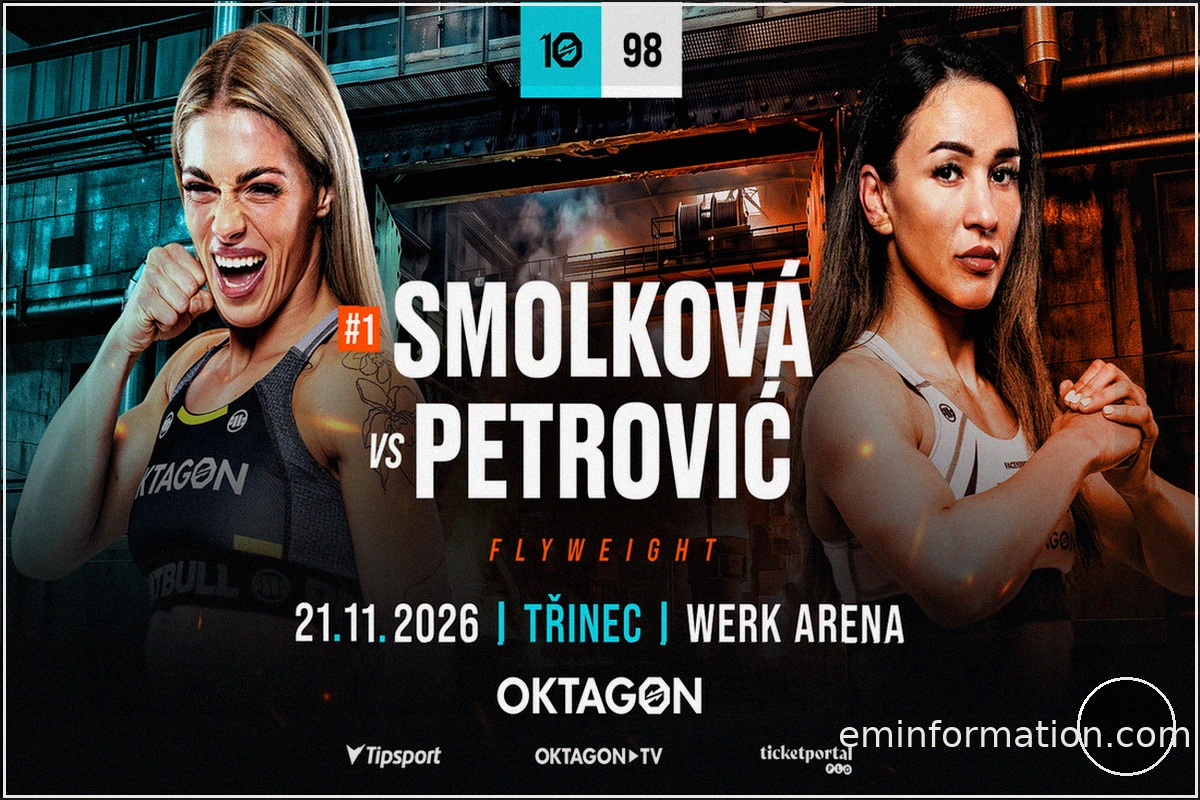
Veronika Smolková vs. Ivana Petrović: Flyweight Showdown in Třinec
The vacant flyweight title opens a significant opportunity for two female fighters to advance their careers in Třinec. Slovakian talent Veronika Smolková (10-3), a rapidly emerging force, is set to face UFC veteran Ivana Petrović (8-4) in a crucial flyweight bout at OKTAGON 98. Petrović will be d
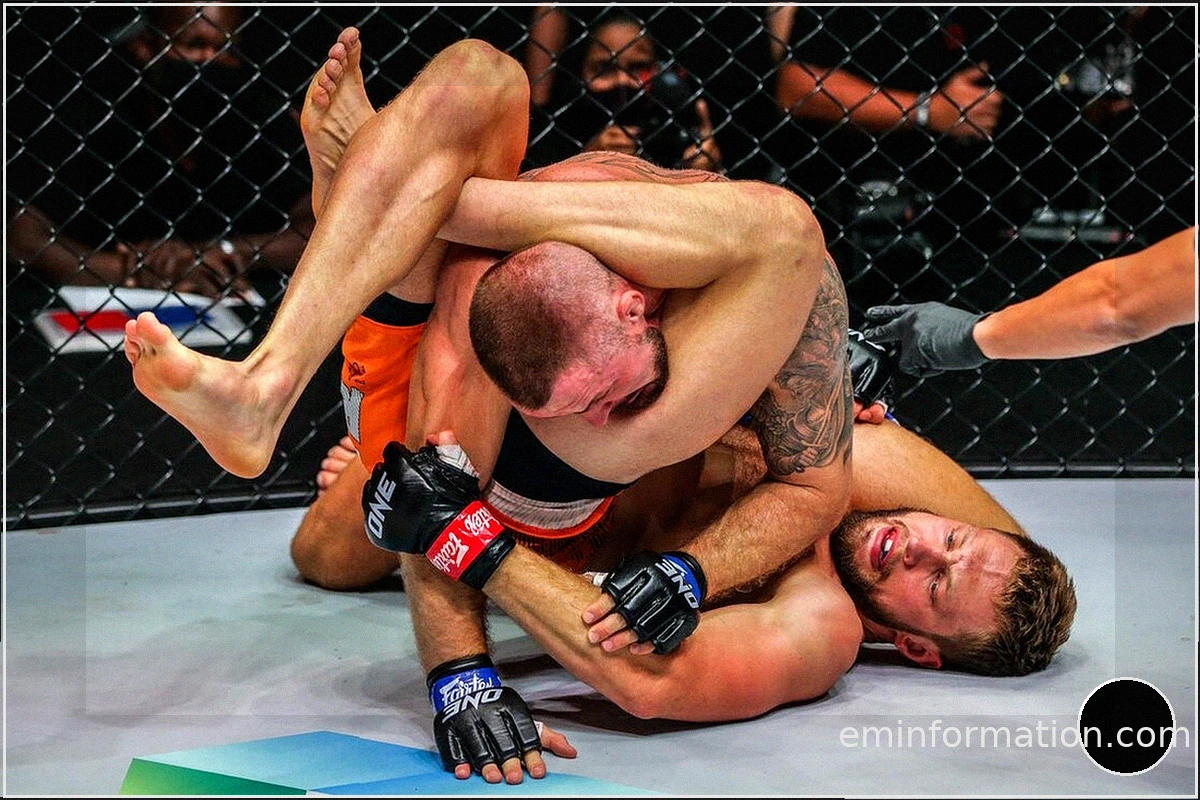
UFC Method of Victory Betting: KO, Submission, and Decision Explained
Betting on the method of victory in the UFC offers a more specialized approach than simply picking the winner. Instead of just choosing who will emerge victorious, you must also predict precisely how the fight will conclude. This strategy necessitates a deeper comprehension of tactical pairing