Most Effective Martial Arts in Modern MMA
Islam Makhachev dominated the later rounds of UFC 330, pinning Ian Machado Garry against the fence and then to the canvas. Mackenzie Dern secured takedowns and control positions on the same card. Petr Yan took a different path to a UFC title, defeating Merab Dvalishvili in December 2025 with relentless pressure, body shots, and enough takedown defense to keep the fight where he wanted it. The common factor isn't a single martial art. It's the ability to keep your strongest techniques available after an opponent tries to alter the dynamics of the fight.
Wrestling Still Lets a Fighter Pick the Geography
Makhachev is officially listed by the UFC as a sambo fighter, yet many of his most effective sequences draw on wrestling concepts directly applicable to MMA: fence pressure, chained takedowns, mat returns, and extended periods of top control. Against Garry in August, he returned to his wrestling in the fourth and fifth rounds, ultimately finishing the fight from his opponent's back. This level of control is crucial because it dictates the location of exchanges. A fighter who can force the bout from open space to the fence or mat has more options than one confined to a single range.
Jiu-Jitsu Still Punishes One Bad Position
Brazilian Jiu-Jitsu remains a cornerstone submission art in MMA, but successful UFC grapplers rarely depend solely on guard work. Dern used takedowns and control to earn rounds against Gillian Robertson at UFC 330, while Charles Oliveira holds the promotion's record with 17 submission victories. His finishes have come from rear-naked chokes, guillotines, armbars, and other positions achieved through scrambles or sustained pressure. Modern judging also prioritizes effective damage and meaningful offense, meaning simply staying active from the bottom is insufficient.
Kickboxing Covers More of the Standing Fight
Kickboxing and Muay Thai offer fighters solutions in ranges where pure boxing has fewer answers: calf kicks, body kicks, knees, and clinch attacks all influence how an opponent can engage. Thus, an individual studying MMA might look beyond knockout statistics and assess a striker's ability to defend the fence, counter low kicks, or punish a level change. These matchup specifics often provide more insight than a broad "striker vs. grappler" label.
Yan’s Boxing Worked Because He Could Stay Upright
Petr Yan's December 2025 rematch against Dvalishvili demonstrated how boxing becomes more potent once the takedown threat is neutralized. Yan advanced, targeted Dvalishvili's body, and repeatedly defended or recovered from wrestling exchanges en route to a unanimous decision title win. His concise combinations and pressure were effective because he wasn't spending entire rounds pinned underneath his opponent. Pure boxing techniques still require adaptation in MMA; a high guard can expose the hips, and a heavy lead leg can invite kicks or takedowns.
Judo Works Best When the Cage Gets Involved
Kayla Harrison exemplified how elite judo translates effectively when she defeated Julianna Peña at UFC 316 in June 2025. The two-time Olympic champion forced Peña backward, secured a takedown, and finished the title fight with a second-round kimura. Understanding Harrison's actual clinch and takedown history offers more insight than simply the word "judo" on a profile, as MMA removes the gi and incorporates the cage. This context is vital for analyzing fight dynamics.
The Best Base Is the One That Survives the Next Phase
Alex Pereira's career provides a clear example from striking. His kickboxing led him to UFC titles in two weight classes, and then to a heavyweight title fight against Ciryl Gane in June 2026, where Gane stopped him in the second round. Makhachev can wrestle through extended portions of a fight without allowing his opponent much room to recover. Dern can threaten submissions once a scramble creates an opening. Yan can maintain his boxing range because his takedown defense allows him to keep the fight there. Their foundational styles differ, as do the challenges they must overcome.
This adaptability is often the deciding factor at the UFC level. A wrestler still needs to strike effectively on the approach. A boxer must withstand kicks and takedowns. A jiu-jitsu specialist requires a reliable method to get to the mat. While a fighter's primary style gets them into the fight, everything else incorporated into their game determines how long that initial advantage persists.
Fresh materials — MMA news
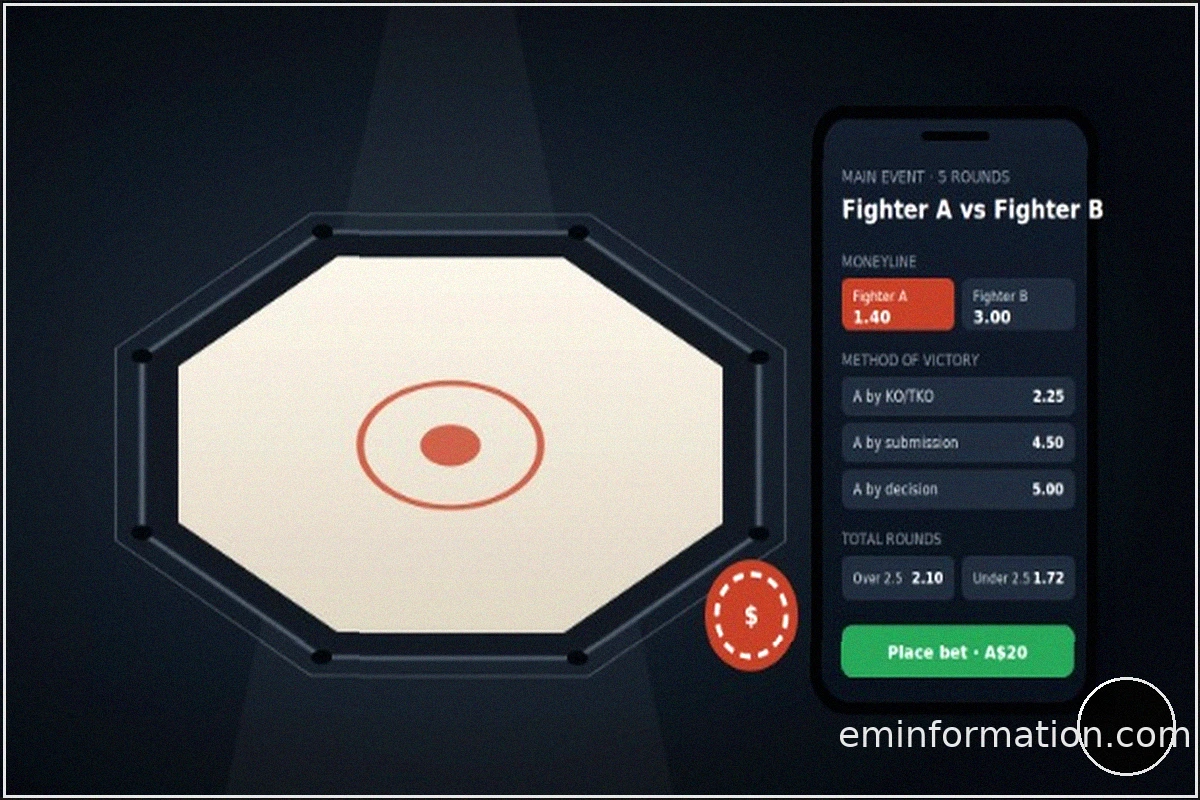
Where to Bet on UFC: Sportsbooks, Odds, and Markets Compared
Choosing where to bet on UFC depends on three factors: the bookmaker's license in your location, the breadth of its fight markets, and its payout speed. Most major sportsbooks offer odds on every UFC card, from preliminary fights to main event title matches. The key differences lie in the betti
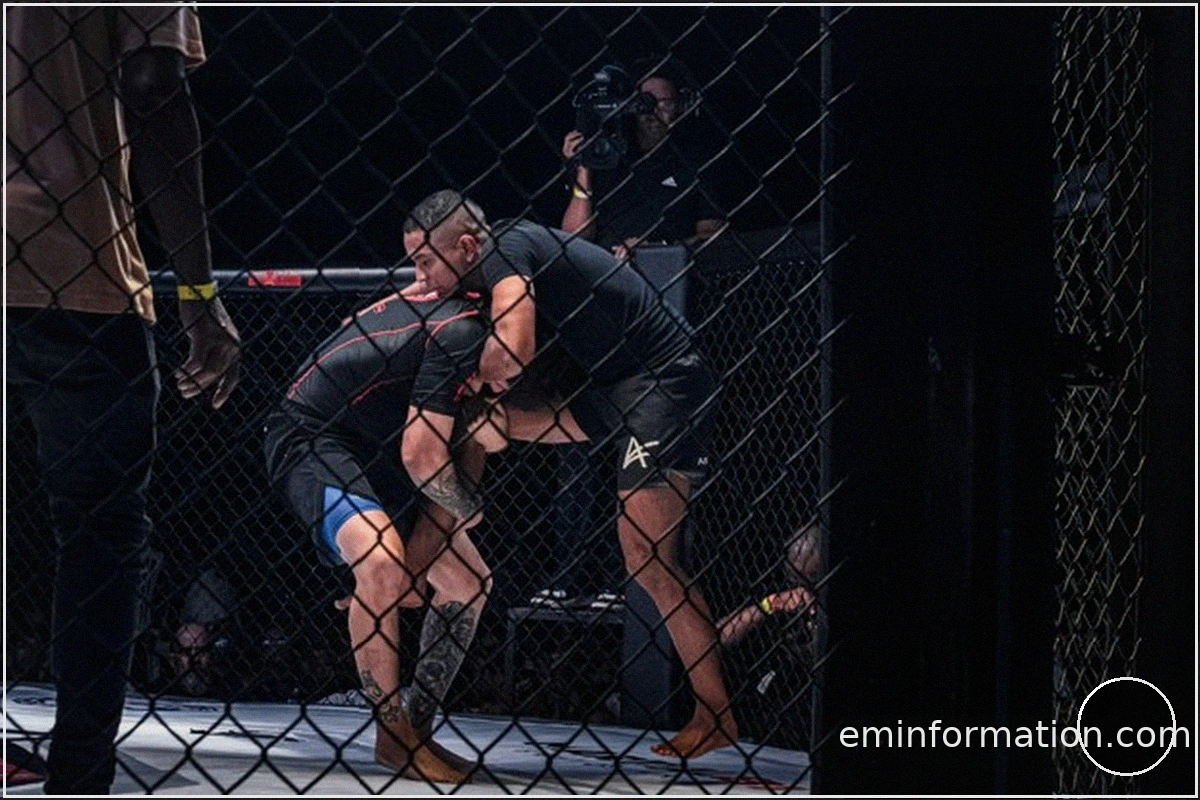
UFC Fight Odds: Key Matchups Shaping Late 2026
The final months of 2026 promise an intriguing finish to the UFC calendar. Established champions face ambitious challengers, former titleholders return to the spotlight, and emerging contenders have opportunities to change their careers. Four fights stand out across November and December,
PIN-UP Promotions: Raffles as a New Layer
Promotions in online gaming typically feature bonuses, cashback, tournaments, and short missions. Prize draws, however, introduce a different dynamic. Instead of awarding prizes based on a fixed formula for every participant, a raffle turns qualifying actions into entries for a subsequent draw

5 Smart Truck Upgrades for Looks, Utility, and Performance
Trucks offer significant potential for customization. Their design, particularly the open bed and wide availability of parts for popular models, makes them ideal for improvements. Whether the goal is a fresh look, increased practicality, or a vehicle tailored to its owner's needs, worthwhile m
SARMs and Peptides for MMA Recovery: A Scientific Look
MMA fighters face demanding training schedules, leaving little downtime between intense sessions. This constant physical stress drives the search for enhanced recovery methods, pushing interest beyond traditional fitness circles into areas like peptide and performance research. The conver
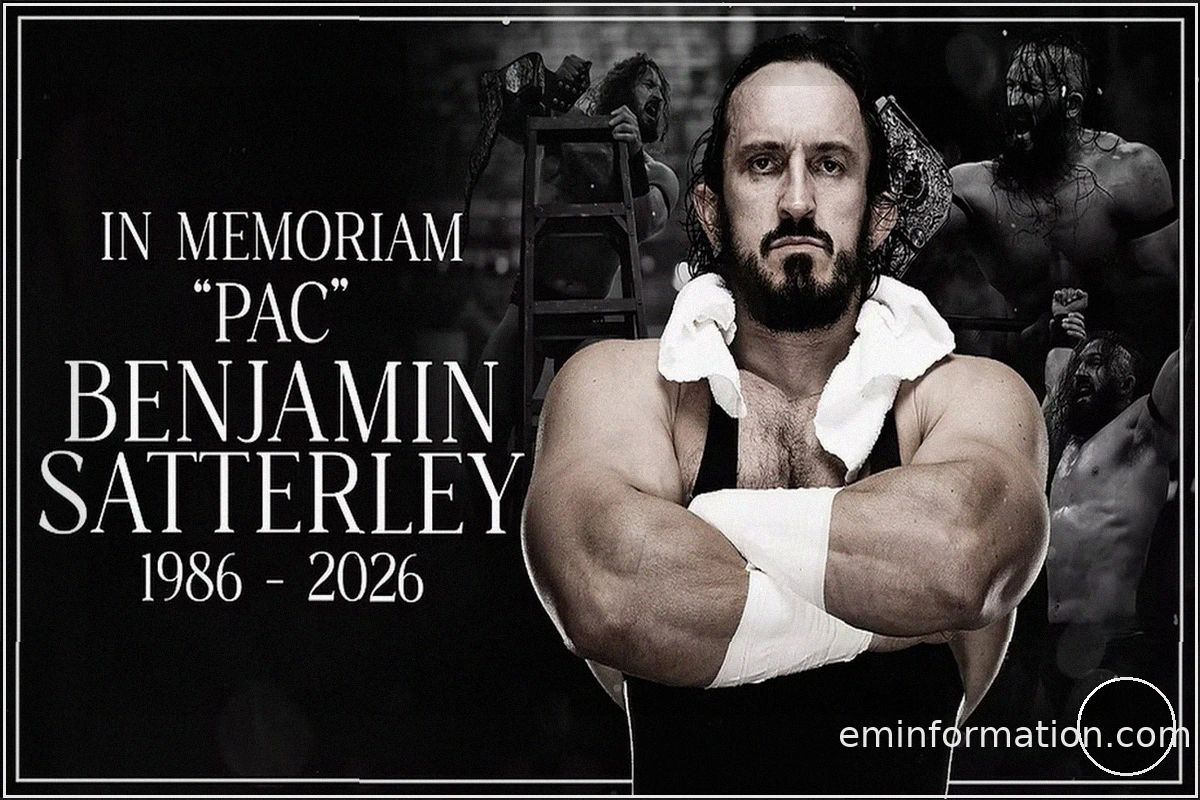
Pro Wrestling Star Pac Dies; Details Unknown
Benjamin Satterley, 40, a prominent professional wrestler known as Pac, has passed away, All Elite Wrestling (AEW) confirmed Sunday evening. The circumstances of his death have not been disclosed. AEW announced the news via social media. “All Elite Wrestling mourns the loss of Benjamin