Collina: World Cup Final Referee Selection Challenging; Denies Ball Hit Cable in Norway vs. England
Pierluigi Collina, FIFA's Chief Refereeing Officer, has acknowledged that selecting the referee for the World Cup Final was a demanding task. He also expressed his disbelief that some individuals remain unconvinced that the ball did not make contact with any cable during the Norway vs. England match.
Collina shared these insights in an interview with Gazzetta dello Sport, timed with the 2026 World Cup Final between Spain and Argentina. The former renowned Italian referee, who himself officiated the 2002 World Cup Final where Brazil defeated Germany, commented on the pressures and decisions within the world of football officiating.
Collina on Technology's Role in Resolving Disputes
Collina, widely considered one of the greatest referees of all time, appointed Slavko Vinčić to officiate the current World Cup Final. He stated, "He's had a very good journey. I’m happy for him, as I am for the others who were here; making a choice wasn’t easy." Vinčić reportedly became emotional upon learning of his appointment to the final match. Collina empathized, saying, "Every time I get goosebumps, I know what these men and women have done for years, sacrificing so much, including their families. I expected Vincic’s emotion; it was the same I experienced myself."
The conversation then turned to VAR and contentious decisions throughout the World Cup. Collina explained the introduction of technology, stating, "Technology was introduced to resolve a paradoxical situation. In the stadium, over 80,000 spectators could see what happened on the pitch in real time, but the only person who couldn’t was the one who had to make the decisions." He elaborated on the two possible approaches: either to isolate referees from technology or to equip them with the same tools as spectators. He added, "We invest millions, hoping, however, that they will be ‘thrown away’: that would mean the referees have done a good job and haven’t needed it."
Collina highlighted how football has evolved since his playing days. "From the 90s to today, football has changed. Players are different; the game is played at a much higher speed. And throughout all this, technology has played an important role, including for referees," he remarked. He recalled a stark contrast between his past and present, mentioning how obtaining video footage for match preparation was difficult in the past, whereas now, "there’s FIFA AI Pro, developed with Lenovo, which can provide useful information for preparation."
A significant controversy during the 2026 World Cup involved a quarter-final match between England and Norway. England's equalizer was questioned after the ball appeared to have deflected off a camera cable, altering its trajectory. Collina strongly refuted these claims, asserting, "It’s incredible that people can’t be convinced that a ball didn’t touch any cable…" He detailed the evidence: "A graph was shown where, when a player or an object touches the ball, a peak is visible. In that case, a flat graph was seen from the moment the goalkeeper released the ball until the other player controlled it. There was only a slight wave, related to the air. The same applied to the ball’s rotations, and the camera also remained stable. There are technological tools that allow you to clarify certain things."
The ball sensor technology also played a role in Portugal's victory over Croatia, where a late Croatian equalizer was disallowed for offside. Collina explained the clarity provided by the technology in this instance as well: "Here too, the graph was clear. There’s a peak when it touches the Croatian attacker’s head, then a flat line, and another peak when it touches the Portuguese defender’s back. Since the system doesn’t detect contact with hair, the peak is determined by contact with the head."
Collina concluded by emphasizing his belief that VAR and technology enhance the game and its emotional impact, rather than diminish it. He countered the notion that technology removes emotion, stating, "That’s historically inaccurate. For offside, there’s a few seconds’ wait for confirmation, but the player celebrates when they score. And if the goal is confirmed, there’s a second celebration; if it’s disallowed, the opposing team celebrates. I find it much fairer that emotion is based on a correct decision, rather than an incident destined to be debated for weeks or decades. Even today, sixty years later, people still question whether, in England’s goal in the 1966 final, the ball truly crossed the line…"
Fresh materials — Sport news
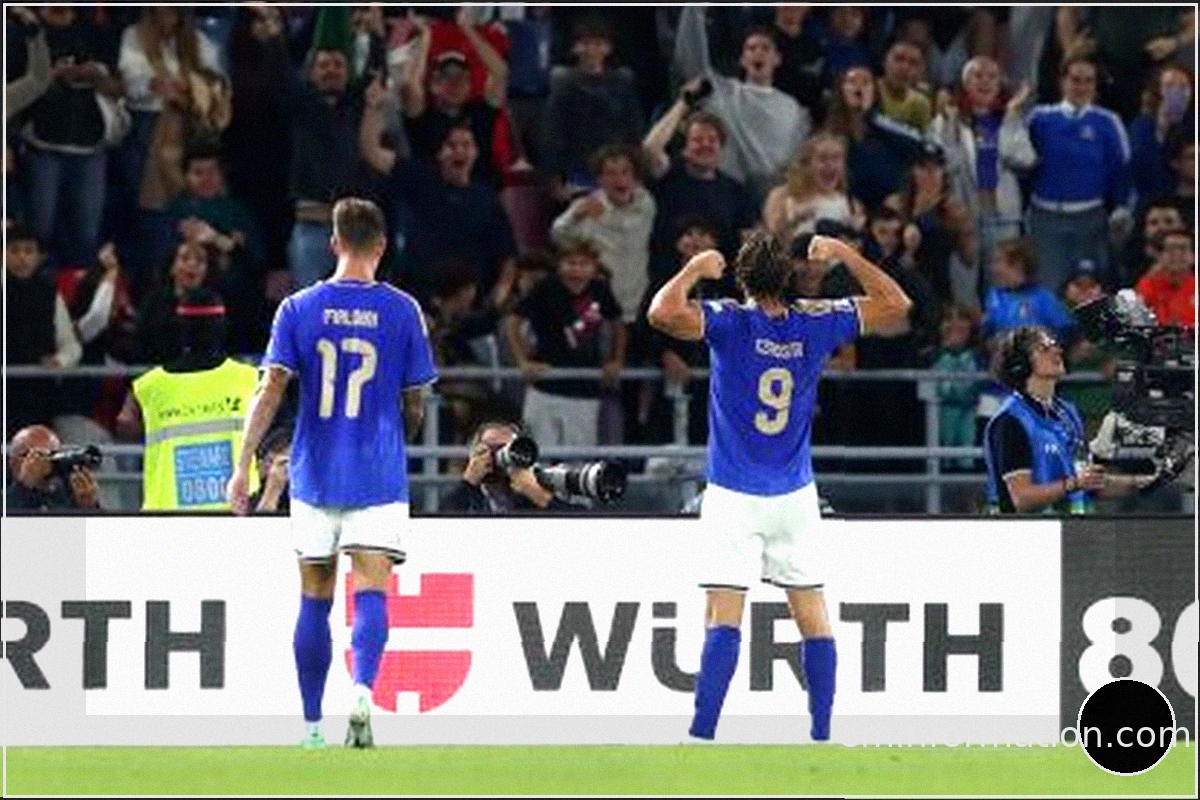
Football Italia Show: Italy's Convincing Win, Doumbia and Vergara Set to Stay
Italy secured a 3-1 victory against Turkiye in Bologna, guaranteeing a seeded position for the Euro 2028 draw. This win places them one point ahead of Belgium before upcoming matches against France and Belgium in November. Roberto Mancini made significant changes to the lineup, with only Donnarumma
De Rossi: Blaming Players Like a Clown Means I'm Done as Genoa Coach
Daniele De Rossi is confident Genoa will improve despite a rough start, securing just one point in five matches. The coach emphasized to La Gazzetta dello Sport that theatrics won't solve their issues. “We’ll climb out of this, just like last year. The key is everyone’s commitment. I want t
Gila’s Honest Milan Assessment: ‘We’re a Europa League Team with Scudetto Ambitions’
Defender Mario Gila supports Ruben Amorim’s coaching approach, recognizing that the team is still building momentum. Speaking at the Festival dello Sport in Trento, Gila described Amorim as a coach who instills grit and adopts an aggressive pressing style, fitting for modern European footb
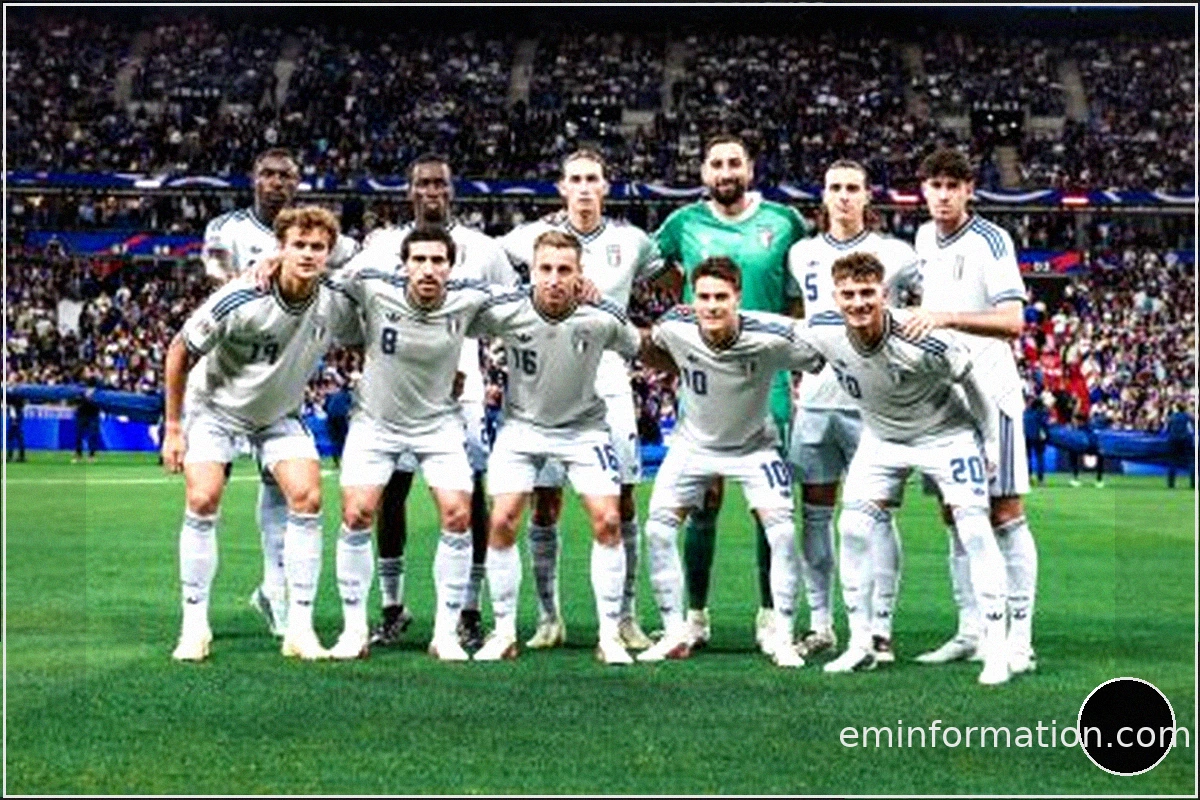
Donnarumma: Italy Showed Great Team Spirit in 1-1 Draw with France
Gianluigi Donnarumma believes Italy demonstrated the characteristics of a strong team during their 1-1 draw in France. "Not everyone can come here and perform like that," he stated. Following mixed results in their initial Nations League matches, Italy's display against France offered a cle
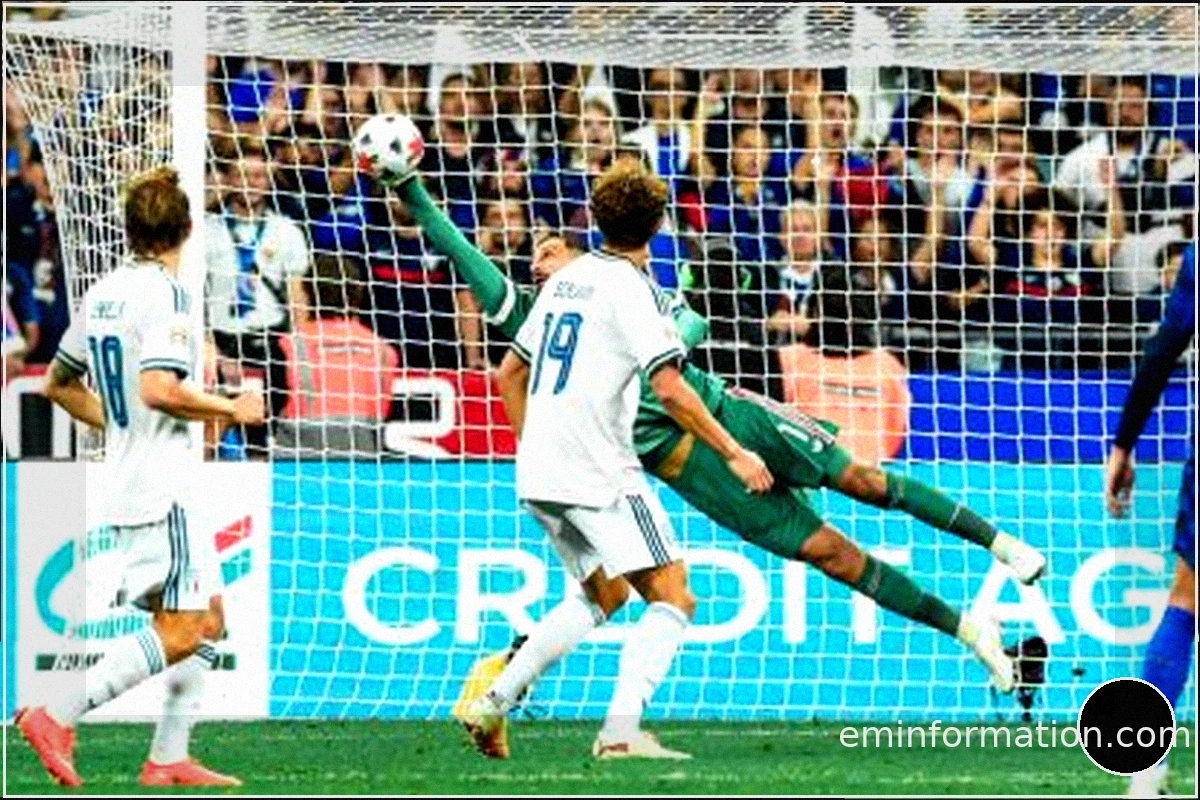
Rabiot Praises Italy's Spirit and Donnarumma's Brilliance in Draw
Adrien Rabiot acknowledged Gianluigi Donnarumma's "extraordinary" performance after France's 1-1 draw with Italy. He was also impressed by Roberto Mancini's squad. Italy created the clearer chances in the first half at the Stade de France. Michael Olise opened the scoring when his free ki
Giacomo Raspadori Out for Italy's Remaining Nations League Matches Due to Injury
Giacomo Raspadori will not participate in Italy's final two Nations League matches. The FIGC announced Tuesday evening that the forward underwent tests confirming his unavailability for upcoming games, leading to his return to Atalanta. This sidelines him for the match against France on Friday and